White Pomfret at Home: Cleaning, Storage, Freezing and Facts
White Pomfret is one of the more delicate fish you will bring home. Its soft flesh, fine scales and thin body mean it needs a little extra care in cleaning and storage to stay at its best. This guide explains how to clean Safaid Paplet at home, how to refrigerate and freeze it, how to thaw it safely, and how silver pomfret differs from the fish it is often confused with.
What Is White Pomfret?
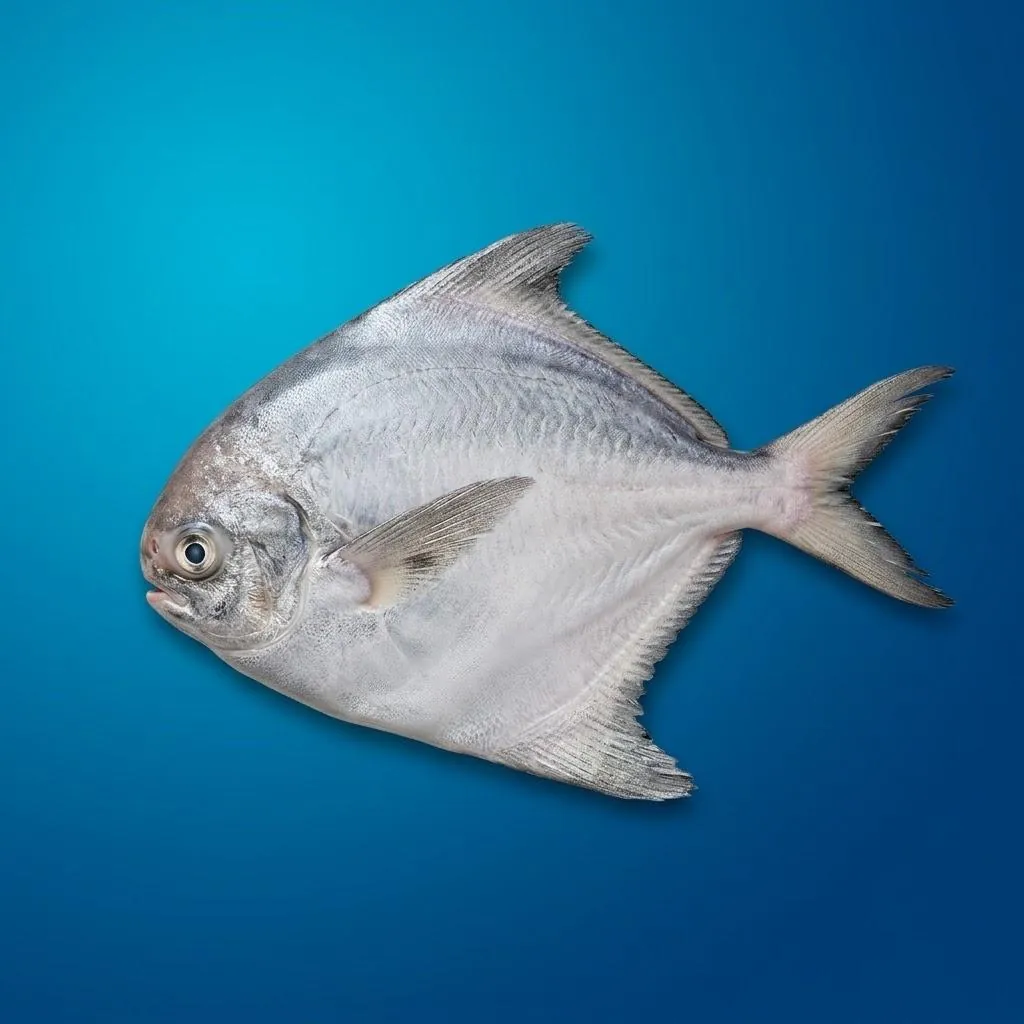
White Pomfret is the silver pomfret, Pampus argenteus, a member of the butterfish family. In Pakistan it is called Safaid Paplet or simply Paplet; elsewhere it may be sold as silver pomfret. It lives in coastal waters of the Indian Ocean and western Pacific, including the Arabian Sea.
Key features include a flat, deep, rounded body; silvery skin; a small mouth on a blunt head; long, pointed lobes on the dorsal and anal fins; a deeply forked tail; and no pelvic fins.
How it differs from look-alikes
- Black Pomfret (Kala Paplet) – sold under a pomfret name but actually a jack (Carangidae), not a true pomfret. It is darker, has a firmer and richer flesh, and a noticeably different shape of fins and tail. Black Pomfret suits stronger masalas and grilling.
- Other pomfret species – some markets carry related Pampus species that look broadly similar. Silver pomfret is prized for its bright colour and very delicate flesh.
- Small flat fish of other families – some young or flat-bodied fish can resemble pomfret at a glance; the silver skin, absent pelvic fins and forked tail are the giveaways.
Cleaning White Pomfret at Home
If you order Whole and Gutted or Headless and Gutted fish, most of the work is done. If you buy Whole (uncleaned), follow these steps:
- Keep it cold. Work with the fish straight from the fridge, on a clean board reserved for raw seafood.
- Remove scales gently. Pomfret scales are very fine. Run the back of a knife lightly from tail to head under cold water; heavy scraping tears the skin.
- Trim the fins. Use kitchen scissors to trim the long fin lobes and tail edges if you like.
- Gut the fish. Make a small cut along the belly, remove the innards and rinse the cavity. Scrape away the dark lining inside, which can taste bitter.
- Remove the gills if you are keeping the head, as they spoil quickly.
- Rinse and dry. Rinse briefly, then pat the fish dry inside and out.
- Clean up. Wash the board, knife, sink and your hands with hot soapy water.
About smell
Fresh pomfret has a mild smell, milder than oily fish. If you notice a sour or ammonia smell, the fish is not fresh. To keep kitchen odour down, dispose of the guts promptly in a sealed bag and wipe surfaces with a little lemon or vinegar water.
Storing in the Fridge
- Refrigerate at 0–4 °C as soon as possible, in the coldest part of the fridge.
- Lay the fish flat in a covered container. Do not stack heavy items on top – the soft flesh bruises easily.
- Placing the container over a layer of ice helps, but keep the fish from sitting in meltwater by using a rack or a sealed bag.
- Cook within 1–2 days for best quality and safety.
Freezing White Pomfret
Pomfret freezes well if you protect its delicate surface.
- Prepare first. Freeze it cleaned and gutted, ready to cook. Score it after thawing, not before.
- Dry thoroughly. Surface moisture forms ice crystals that damage the skin.
- Wrap individually. Wrap each fish tightly in cling film, then place in a freezer bag with the air pressed out. Individually wrapped fish can be taken out one at a time.
- Freeze flat. Lay the fish flat on a tray until solid so they keep their shape, then stack the frozen packs.
- Label and date. Note the date and number of fish.
- Keep at -18 °C. For best texture, use within a few months.
Thawing Correctly
- Thaw overnight in the fridge on a plate. Thin pomfret thaws relatively quickly.
- For a quicker thaw, keep the fish sealed and submerge it in cold water, changing the water every 30 minutes; cook as soon as it is thawed.
- Never thaw on the counter or in warm water.
- Do not refreeze raw pomfret once it has thawed. Cook it first.
- Pat the thawed fish dry before marinating – it will release some liquid.
Marinating Safely
Pomfret is often marinated in lemon-based masala or green chutney. Because the flesh is soft, acid works on it quickly, so 15–20 minutes in the fridge is usually enough. Always marinate in the fridge, discard used marinade or boil it well before using as a sauce, and use clean utensils for cooked fish.
Cooking It Through
White Pomfret is cooked when the flesh turns opaque and lifts easily off the backbone at the thickest part. Because the fish is thin at the edges and thicker in the centre, scoring helps it cook evenly.
Handling Leftovers
- Refrigerate cooked pomfret within about two hours, in a covered container.
- Eat within a day or two and reheat until piping hot.
- Reheat fried pomfret in a hot oven or on a tawa to keep it crisp; microwaving softens the coating.
- Leftover flesh lifts easily off the bone and makes a quick fish salad, fish bhurji or sandwich filling. Check carefully for bones before serving to children.
White Pomfret and Nutrition
Fish is a good source of protein, and White Pomfret is a white-fleshed fish, generally lighter than oily fish such as mackerel. The cooking method makes the biggest difference: steaming, baking or grilling keeps a meal lighter than deep frying. Eating a variety of fish as part of a balanced diet is widely recommended. If you are pregnant or have particular dietary needs, follow your doctor's advice on fish intake.
Why Paplet Is So Prized
Its silver looks, gentle flavour and tender flesh make White Pomfret a fish for special occasions in many Pakistani families. Good handling preserves exactly those qualities. If you want something sturdier for everyday karahi, try Red Snapper (Heera) or Surmai (King Fish).
Keep It Gentle, Keep It Cold
Clean softly, store flat and cold, freeze individually wrapped, thaw in the fridge and cook until the flesh lifts from the bone. Do this and your Paplet will taste as good as the day it arrived. Browse White Pomfret (Safaid Paplet) for cleaning options, explore the fresh sea fish range, and when you are ready to cook, try our White Pomfret recipes for masala fry, green chutney paplet and steamed pomfret.
Frequently asked questions
Should I scale White Pomfret before cooking?
Silver pomfret has very fine scales, and many are lost during handling. A light run with the back of a knife under cold water is enough; avoid heavy scraping that tears the skin.
Can I freeze pomfret whole with the guts in?
It is better to gut it before freezing. The innards spoil faster than the flesh and can affect flavour. Choose Whole and Gutted if you plan to freeze.
Why did my frozen pomfret turn mushy?
Slow freezing, wet fish, air in the pack or thawing at room temperature can all soften the delicate flesh. Dry, wrap tightly, freeze flat and thaw in the fridge.
Is pomfret a good fish for children?
Its mild flavour and soft flesh appeal to many children. Remove the flesh from the bone carefully and check for small bones before serving.