Bangda Guide: Cleaning, Storage, Nutrition and How It Differs
Bangda is a small fish with a big personality. Its oily, flavourful flesh is what makes it so good on a tawa, but it is also what makes careful storage important. Oily fish lose quality faster than lean white fish, so a little knowledge goes a long way. This guide covers how to clean Bangda (Indian Mackerel) at home, how to store and thaw it safely, what it offers nutritionally, and how to tell it apart from other mackerel-type fish you may see at the market.
What Exactly Is Bangda?
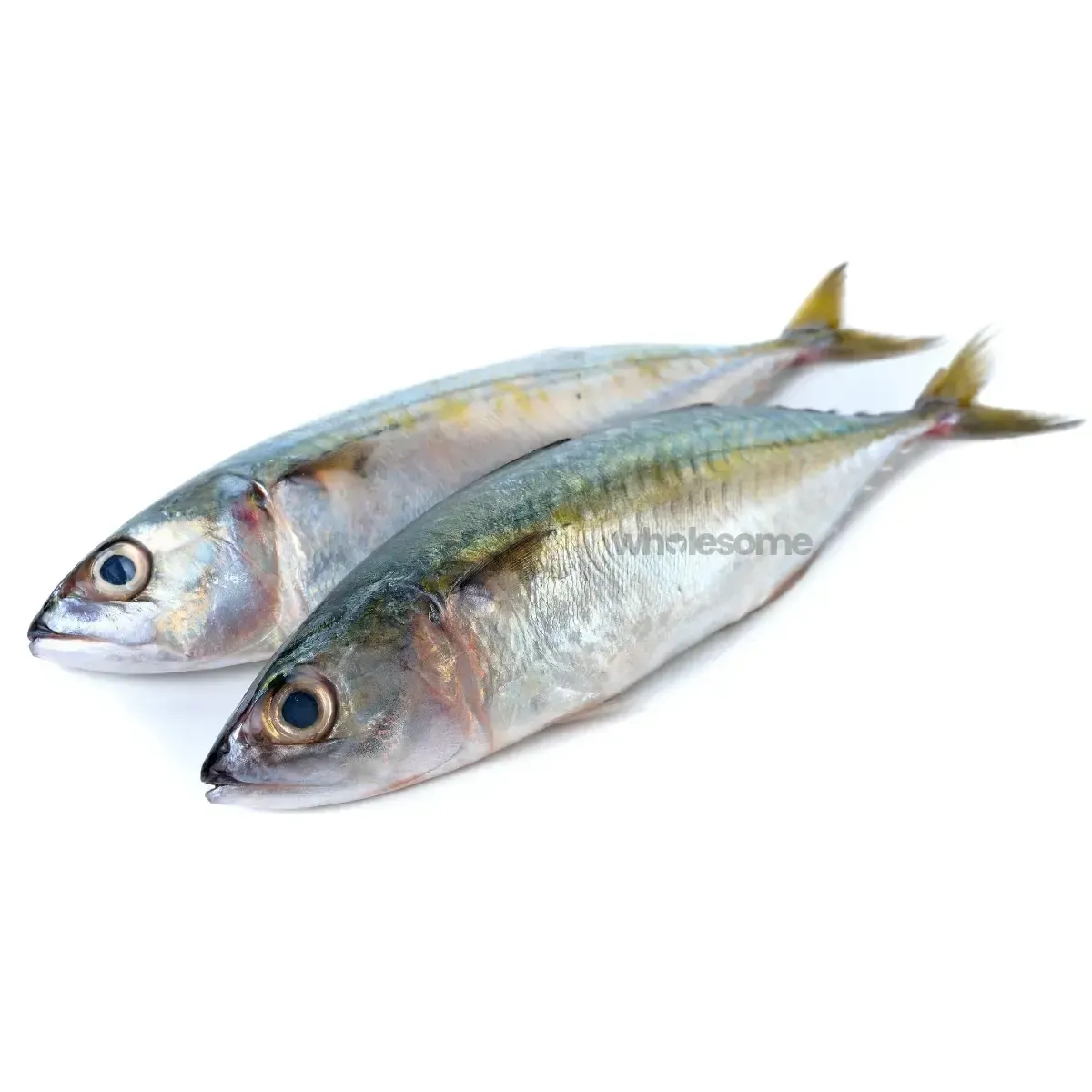
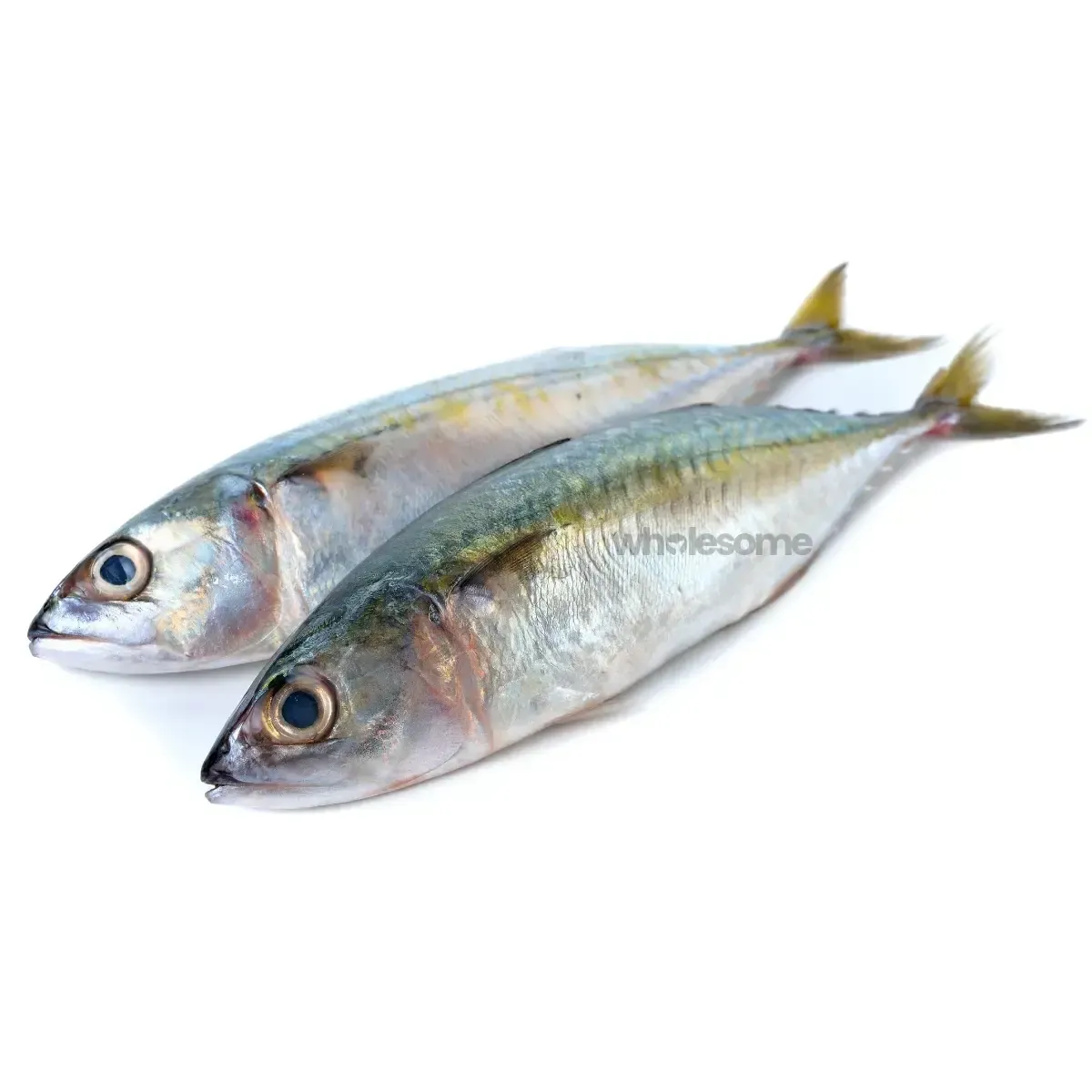
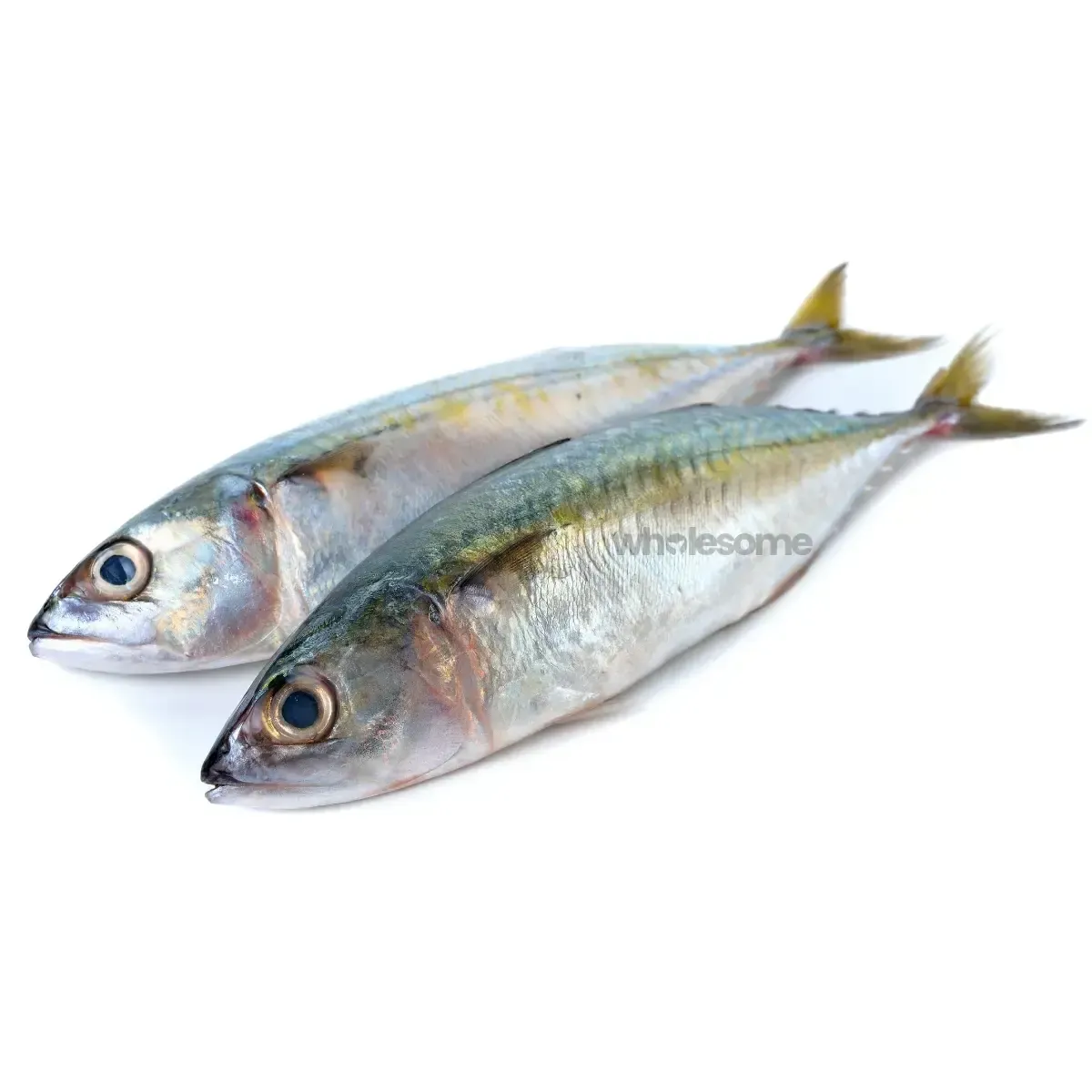
Bangda is the Indian mackerel, scientific name Rastrelliger kanagurta. It belongs to the mackerel and tuna family (Scombridae) and lives in warm coastal waters of the Indian Ocean, including the Arabian Sea off Pakistan. It swims in schools and feeds on plankton, which is one reason it is a small fish rather than a large predator. In Pakistan you will hear it called Bangda or Bangra, and in English simply Indian mackerel.
How to recognise it
- A slim, torpedo-shaped body, usually hand-sized
- A greenish-blue back with thin, dark, wavy stripes, often with a row of dark spots near the dorsal fin
- Golden-silver to yellowish sides and a silvery belly
- Two separate dorsal fins and a series of small finlets running to a deeply forked tail
- A relatively large mouth and big eyes for its size
How Bangda differs from look-alikes
| Fish | How it differs from Bangda |
|---|---|
| Surmai (King Fish) | Also a mackerel-family fish, but far larger, with a long body and vertical bars. Sold as steaks or slices, with firmer, meatier flesh and a milder taste. |
| Atlantic mackerel | A different species from colder waters, often sold smoked or canned abroad. Similar oily character, but not the fish sold locally as Bangda. |
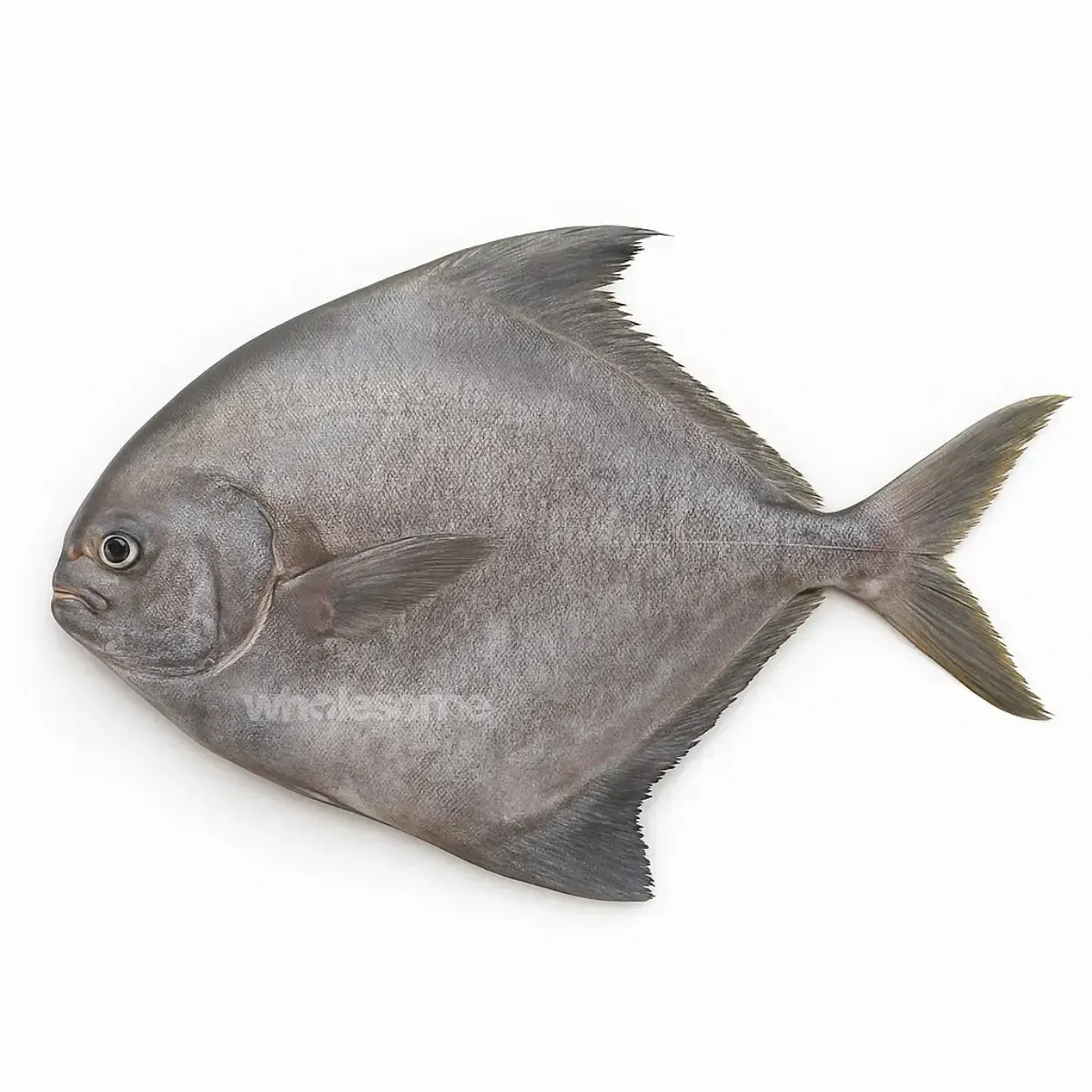
| Sardines and small herrings | Smaller, softer and much bonier, with no striped back and no finlets near the tail. |
Cleaning Bangda at Home
If you buy Bangda Whole (uncleaned), cleaning takes only a few minutes per fish:
- Work on a separate board reserved for raw seafood, with a sharp knife and a bowl of cold water.
- Scales on Bangda are very small. Run the back of the knife from tail to head under cold water to remove any loose ones.
- Cut off the fins with kitchen scissors if you like a neater look.
- Slit the belly from the vent towards the head and pull out the innards.
- Scrape away the thin black lining and any blood along the backbone inside the cavity – this is the part most likely to taste bitter.
- Remove the gills if you are keeping the head on, as they spoil quickly.
- Rinse thoroughly under cold running water and pat completely dry.
Wash the board, knife and your hands with hot soapy water afterwards. Squeezing lemon over your hands or rinsing utensils in a little vinegar water helps reduce lingering smells.
Refrigerator Storage
Bangda is at its best on the day you bring it home. If you need to keep it, follow these rules:
- Refrigerate immediately at 0–4 °C, in the coldest part of the fridge – usually the bottom shelf at the back.
- Clean the fish first; guts speed up spoilage, especially in oily fish.
- Place it in a covered container or wrap it well, so its smell does not travel to other foods.
- For extra protection, set the container on a tray of ice and replace the ice as it melts.
- Use within 1–2 days. If it smells sour or the belly turns soft, do not use it.
Freezing Bangda
Freezing is a good option if you buy more than you can cook in a day. Freeze it as soon as possible after purchase, because the fresher it is when frozen, the better it will taste later.
- Clean, rinse and dry the fish thoroughly.
- Wrap each fish, or a meal-sized portion, tightly in cling film, then place in a freezer bag and press out the air. Air contact is what causes oily fish to develop off-flavours in the freezer.
- Label with the date and freeze at -18 °C or below.
- For best flavour, cook frozen Bangda within a few weeks; oily fish keep their quality for a shorter time in the freezer than lean fish.
Thawing Safely
Thaw Bangda overnight in the fridge, on a plate to catch drips. If you are short on time, place the sealed bag in a bowl of cold water and change the water every 30 minutes. Never thaw fish on the kitchen counter in a warm kitchen, and do not refreeze raw fish once it has thawed. Cook it promptly after thawing.
Marinating Safely
- Always marinate in the fridge, covered, never at room temperature.
- Keep marinating short – 20–30 minutes is plenty. Acidic marinades with lemon, vinegar or tamarind begin to soften the flesh over longer periods.
- Discard leftover marinade that has touched raw fish, or boil it thoroughly before using it as a sauce.
- Do not put cooked fish back on the plate that held the raw fish.
Leftovers
Bangda is best eaten straight from the pan, because reheating intensifies its flavour. If you do have leftovers, cool them quickly, refrigerate in a covered container and eat within a day. Reheat until piping hot all the way through. Leftover fried Bangda can be flaked off the bone and mixed with onion, green chilli, lemon and a little chaat masala for a quick fish chaat or a paratha filling.
Bangda and Nutrition
Bangda is an oily fish, and oily fish such as mackerel provide omega-3 fatty acids. Like fish in general, it is a good source of protein. Because it is small and eaten whole or in slices, it is also an easy way to include fish in everyday family meals. How it is cooked matters too: grilling, baking or a light salan uses less oil than deep frying. If you have specific dietary needs, or are pregnant, follow your doctor's advice on fish intake.
Seasonality
Supply of small pelagic fish like Bangda varies with weather, sea conditions and fishing seasons, so it is not always on the counter. Rather than relying on a fixed calendar, ask FishMart about today's stock or check the product page.
Keep It Cold, Cook It Fresh
The golden rule with Bangda is simple: keep it cold from the moment it arrives and cook it as soon as you can. Clean it well, store it in the coldest part of the fridge or freeze it tightly wrapped, and thaw it in the fridge. Do that, and every tawa fry will taste as good as the first. Browse Bangda on FishMart or explore more of our Fresh Sea Fish, and read the Bangda buying guide for tips on choosing the best fish.
Frequently asked questions
Why does Bangda smell stronger than white fish?
Its natural oils give it a richer smell and taste. A fresh Bangda smells of the sea; a strong, sour or ammonia-like smell means it is past its best.
Should I clean Bangda before freezing?
Yes. Gut it, remove the gills, rinse and dry it before wrapping tightly and freezing at -18 °C. Cleaning first helps the fish keep its quality.
Is Bangda the same as Surmai?
No. Both belong to the mackerel family, but Surmai is a much larger fish sold as steaks, while Bangda is a small fish usually cooked whole or in slices.
How long can cooked Bangda be kept?
Refrigerate leftovers in a covered container and eat them within a day, reheating until piping hot. Freshly cooked Bangda tastes best.