Storing Surmai at Home: Cleaning, Freezing, Thawing and Nutrition
A good Surmai deserves good handling once it reaches your kitchen. Because it is a rich, mackerel-family fish, it loses quality faster than you might expect if it is left warm or frozen carelessly. This guide covers cleaning, storing, freezing and thawing Surmai, how to marinate safely, what to do with leftovers, and a little background on the fish itself.
Getting to Know Surmai
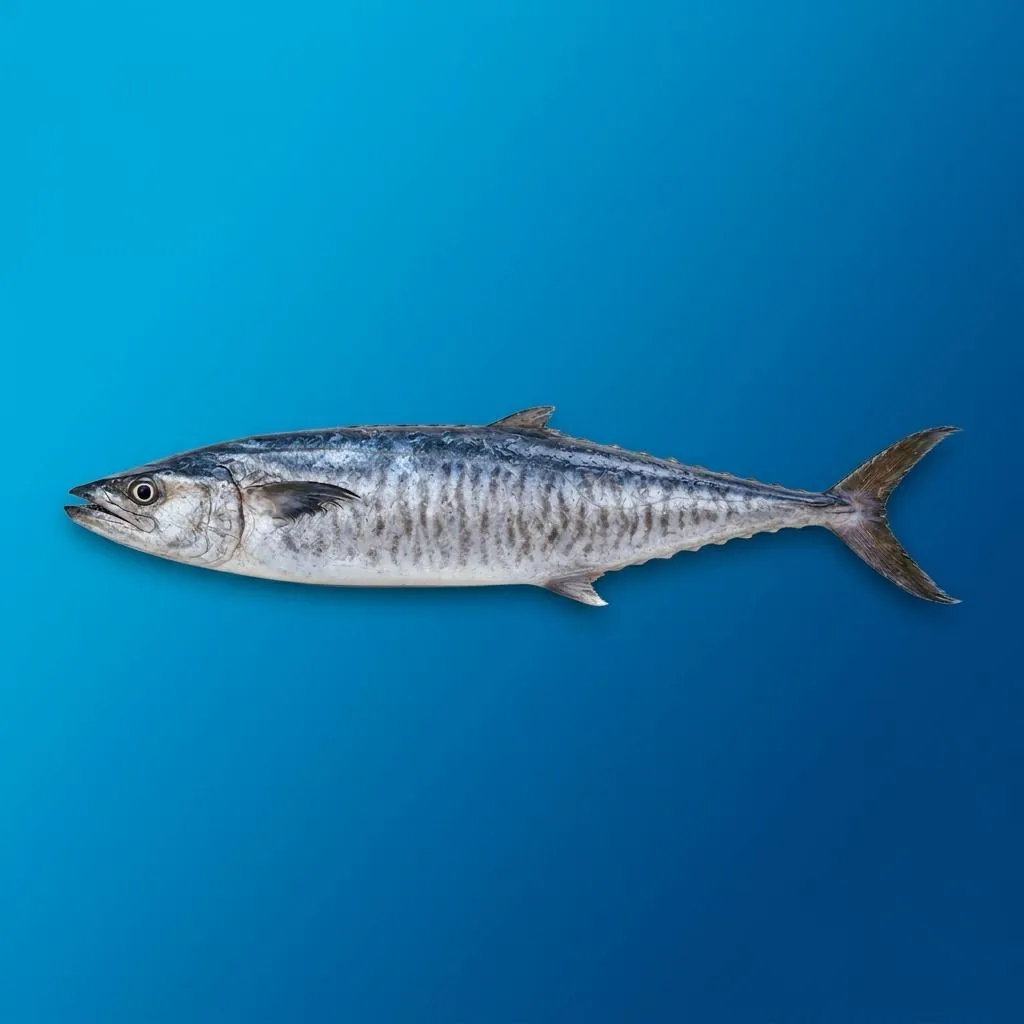
Surmai is the narrow-barred Spanish mackerel, Scomberomorus commerson. It is found across the Indian Ocean, including the Arabian Sea off Pakistan's coast. In local markets it is called Surmai or "King Fish", and in some regions it is known as seer fish. Despite the "King Fish" label, it is not the Atlantic king mackerel – the name is a trade name.
How it differs from look-alikes
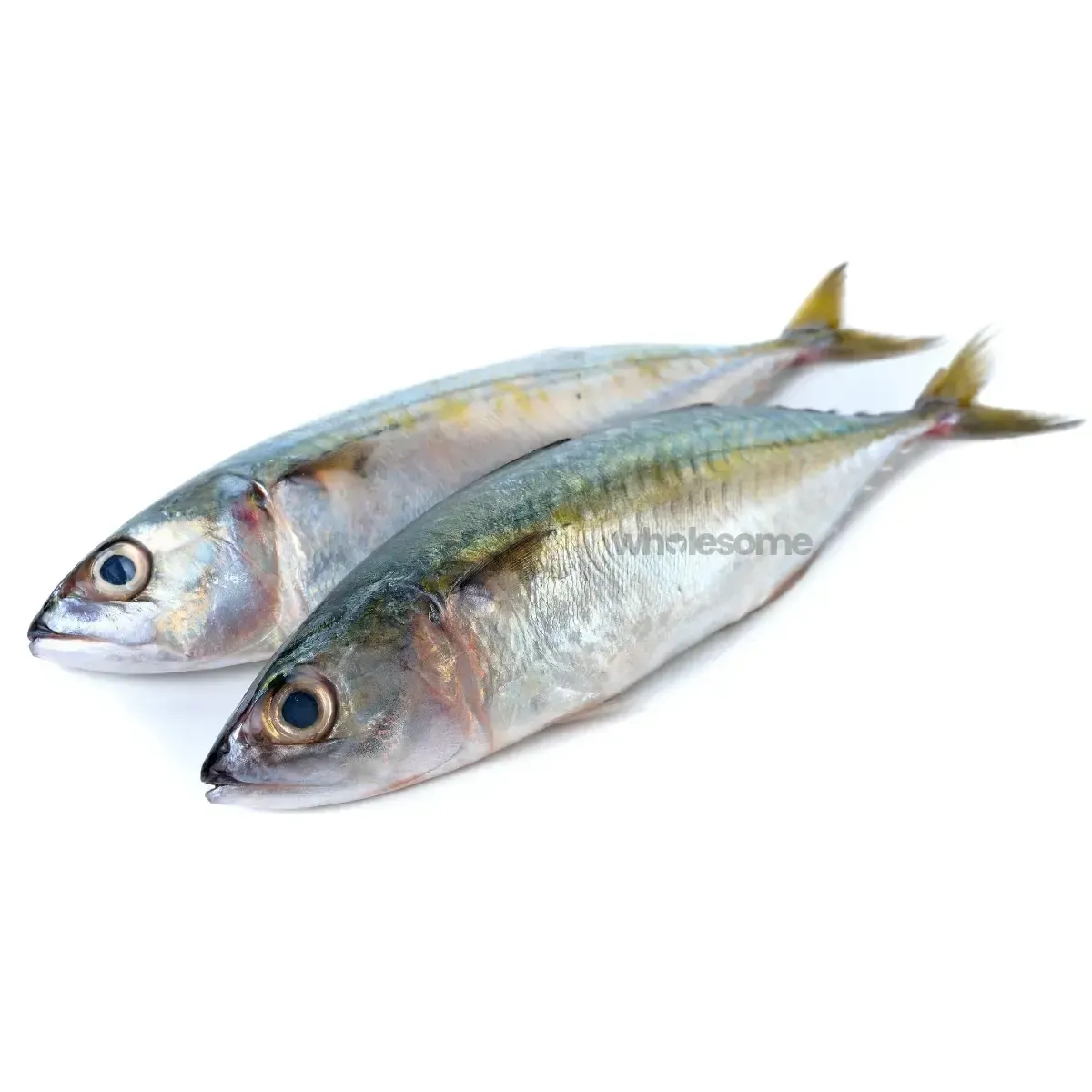
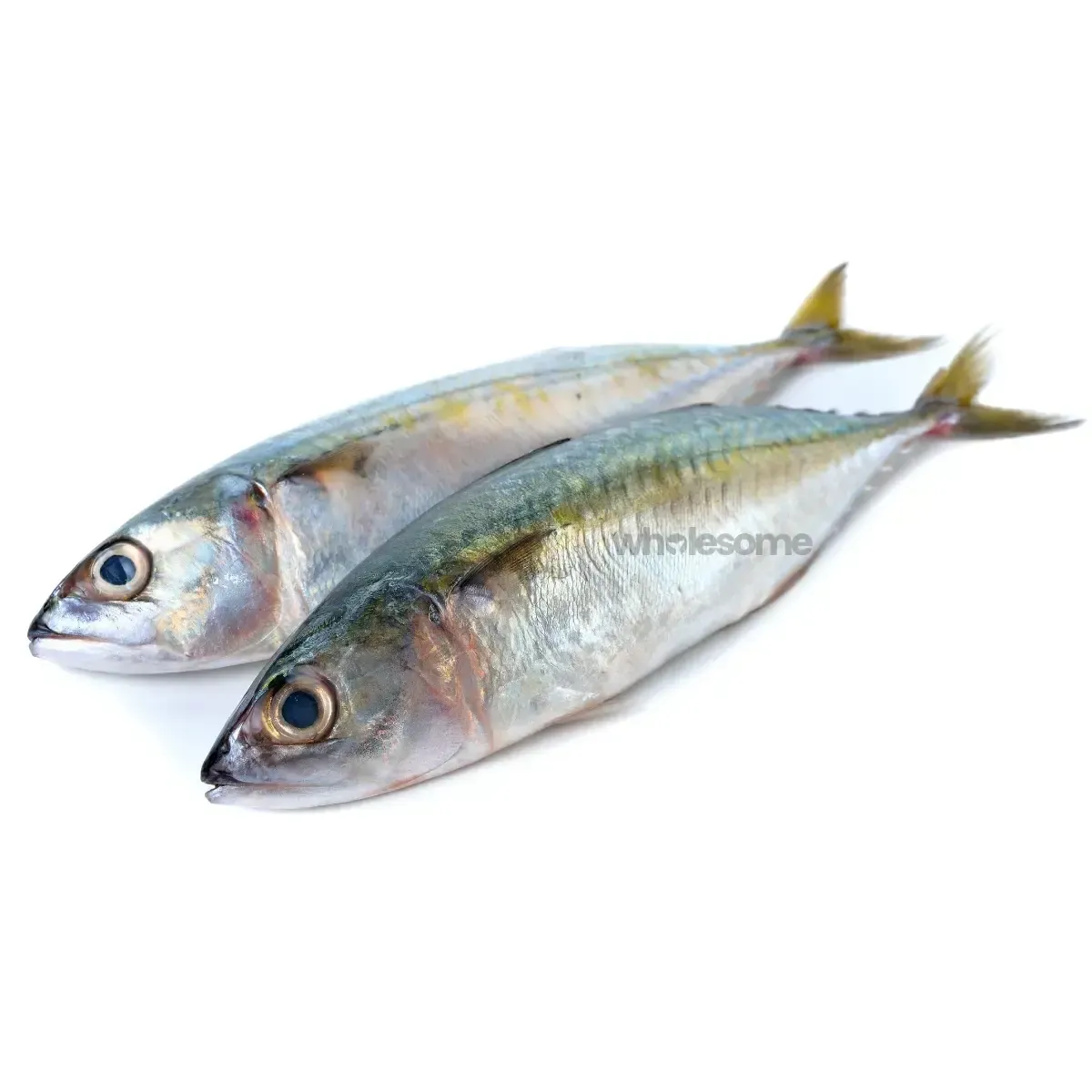
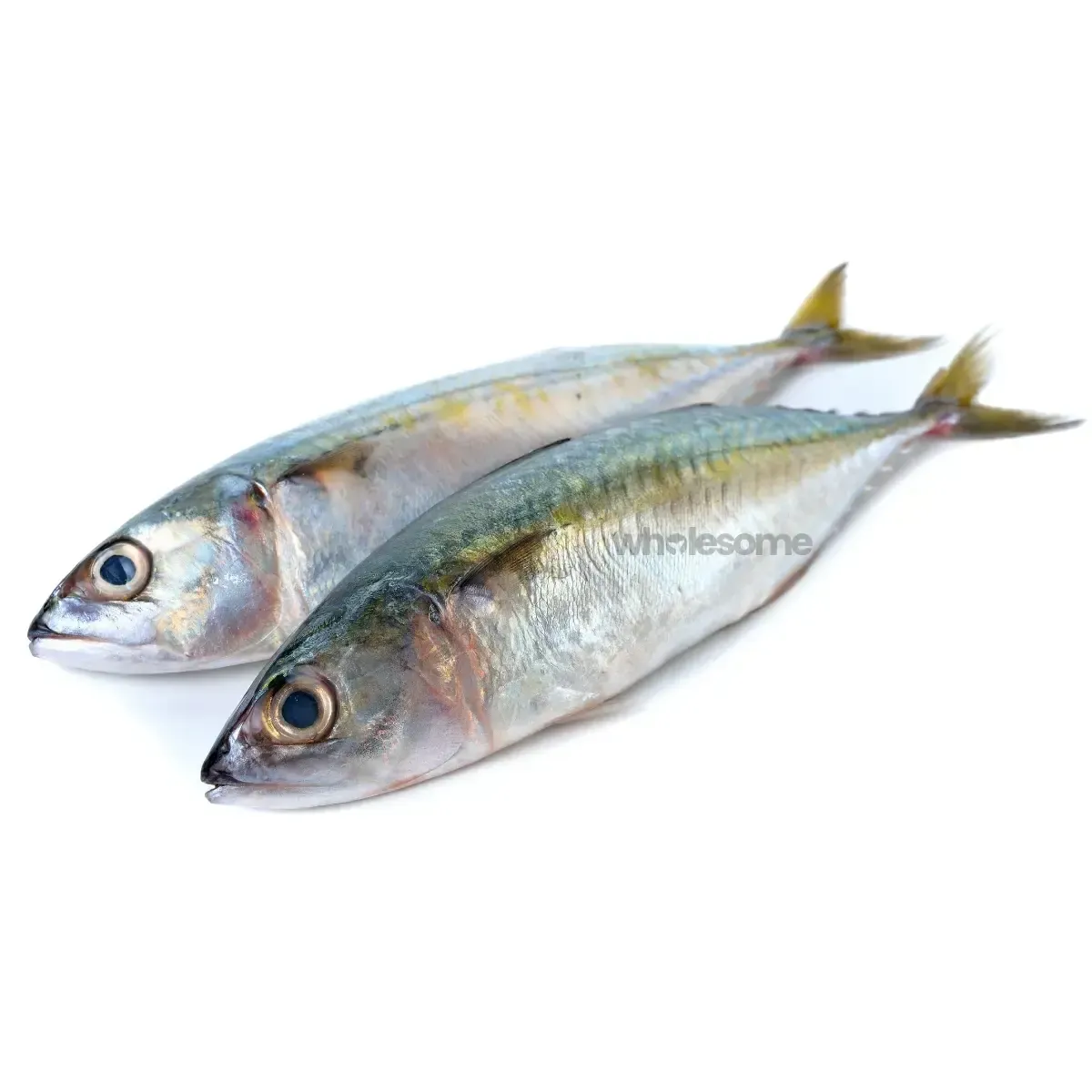
- Bangda (Indian mackerel) is a much smaller fish, usually sold whole, with a stronger, oilier flavour. Bangda is a relative but cooks and tastes quite differently.
- Other Spanish mackerels may look similar but Surmai is recognisable by its long body and the thin, wavy vertical bars on its sides.
- Tuna is a cousin in the same broad family, but its flesh is darker red and denser. Tuna is usually sold as loins or fillets rather than round slices.
Cleaning Surmai at Home
If you buy Surmai sliced or as a boneless cut, most of the work is done. A few simple steps prepare it for cooking:
- Keep the fish cold until the moment you start.
- Rinse quickly under cold running water. Do not soak – soaking draws out flavour and makes the flesh watery.
- Check slices for any remaining scales on the skin and any dark blood near the backbone; rinse or scrape these away.
- Pat dry thoroughly with kitchen paper.
- Wash your board, knife, sink and hands with hot soapy water afterwards.
If you buy a Whole and Gutted or Headless and Gutted fish, rinse the belly cavity well and remove any dark membrane lining it, which can taste bitter. The head and frame make a flavourful fish stock for soup or rice.
Reducing fishy smell
Fresh Surmai should smell clean, but cooking any fish leaves an aroma. A rub of lemon juice or a little vinegar and salt before marinating, cooking with the window open or an extractor on, and washing utensils promptly all help. Wiping the fridge shelf with a mild vinegar solution removes lingering smell.
Refrigerator Storage
- Store Surmai at 0–4 °C, in the coldest part of the fridge – usually the bottom shelf at the back.
- Keep it in a covered container or sealed bag so juices do not drip onto other food.
- For best quality and safety, cook refrigerated raw Surmai within 1–2 days.
- Placing the container on a tray of ice in the fridge helps keep it extra cold.
Freezing Surmai
Freezing is the best option if you will not cook within a day or two. Good freezing protects texture and flavour.
- Freeze promptly. The sooner fish goes into the freezer, the better it keeps.
- Portion first. Divide slices or boneless cuts into meal-sized packs so you only thaw what you need.
- Dry and wrap tightly. Pat dry, then wrap in cling film or place in freezer bags with as much air pressed out as possible. Air contact causes freezer burn – dry, pale patches that taste stale.
- Lay flat. Flat packs freeze faster and thaw more evenly.
- Label. Write the cut and date on each pack.
- Keep at -18 °C. A steady freezer temperature keeps fish safe. Because Surmai is a richer fish, it is best used within a few months for good flavour; very long storage can make the taste stronger.
Thawing Safely
- Best method: move the pack from freezer to fridge the night before. Keep it on a plate to catch drips.
- Faster method: place the sealed pack in a bowl of cold water, changing the water every 30 minutes, then cook straight away.
- Avoid: thawing on the kitchen counter, in hot water or in direct sun. The outside warms up while the inside is still frozen, which encourages bacteria.
- Do not refreeze raw Surmai once it has thawed. Cook it, and if needed, the cooked dish can be cooled and refrigerated.
Marinating Safely
Surmai is often marinated for tawa fry, tikka or BBQ. Follow these simple rules:
- Marinate in the fridge, never at room temperature, even in winter.
- Keep acidic marinades (lemon, vinegar, yoghurt) fairly short – around 20–30 minutes for slices. Longer can soften the surface.
- Do not reuse marinade that touched raw fish as a sauce unless you boil it thoroughly first.
- Use separate brushes or spoons for raw and cooked fish on the grill.
Cooking to the Right Point
Cook Surmai until the flesh turns from translucent to opaque and flakes easily, especially near the backbone where slices cook last. Firm Surmai can dry out if overcooked, so check a piece early rather than relying only on the clock.
Leftovers
- Cool cooked Surmai quickly and refrigerate within about two hours of cooking.
- Eat refrigerated leftovers within a day or two.
- Reheat until piping hot. Karahi and salan reheat well on the stove; tawa fry is best reheated in a hot pan or oven rather than a microwave, to keep the crust.
- Leftover fried Surmai can be flaked off the bone and mixed into a fish sandwich filling, a quick fish pulao or fish cutlets.
Surmai and Nutrition
Fish is widely recognised as a good source of protein, and Surmai is no exception. As a member of the mackerel family, it also provides omega-3 fatty acids, which are one reason health authorities generally encourage eating fish as part of a balanced diet. How you cook it matters too: grilling, baking and karahi with moderate oil are lighter choices than deep frying.
Surmai is a large predatory fish. For large predatory species, general guidance on mercury and fish intake exists in many countries, so it is sensible to eat a variety of fish and follow local health advice. If you are pregnant or have specific dietary needs, follow your doctor's advice on fish intake.
Why Surmai Stays a Favourite
Surmai sits in a sweet spot: richer than lean white fish, milder than small oily fish, and with very few loose bones. That balance, plus firm slices that survive the tawa and the karahi, explains why it is a regular at family dinners and winter get-togethers. For a softer, more delicate alternative, many families also love White Pomfret (Safaid Paplet).
Keep Your Surmai at Its Best
Cold, dry and well wrapped – that is the secret to storing Surmai. Refrigerate it immediately, cook within a day or two or freeze in portions, thaw in the fridge and cook until it flakes. Order Surmai (King Fish) in the cut you need, browse our fresh sea fish, and when you are ready to cook, try the recipes in our Surmai recipes article. Fresh from the fridge or carefully frozen, Surmai handled well tastes just as it should.
Frequently asked questions
Can I freeze Surmai that has already been marinated?
Yes, you can freeze raw Surmai in a dry spice rub, but avoid freezing it in lemon or yoghurt marinade, which can change the texture. Thaw in the fridge and cook straight away.
What is the dark meat in Surmai and is it safe to eat?
It is a strip of darker muscle found in mackerel-family fish. It is safe and edible, with a slightly stronger flavour. Some people trim it for a milder taste.
Why does my frozen Surmai taste stronger than fresh?
Rich fish can develop a stronger flavour if frozen for a long time or if air reaches the flesh. Wrap tightly, press out air and use within a few months.
Is it safe to thaw Surmai in the microwave?
Microwave defrosting is safe if you cook the fish immediately afterwards, but it often partly cooks thin edges. Overnight fridge thawing gives a better texture.