Tuna Loin at Home: Storage, Safe Thawing, Nutrition and Facts
Tuna is a rewarding fish to cook, but it is also one that needs careful temperature control. A dense, deep red loin can look fine while quietly losing quality if it is left out of the fridge. This guide covers how to prepare, store, freeze and thaw boneless tuna at home, how to handle marinades and leftovers safely, what tuna offers nutritionally, and how it compares with other fish you may know. It is written for the Tuna Boneless Fillet.
What Is Tuna?
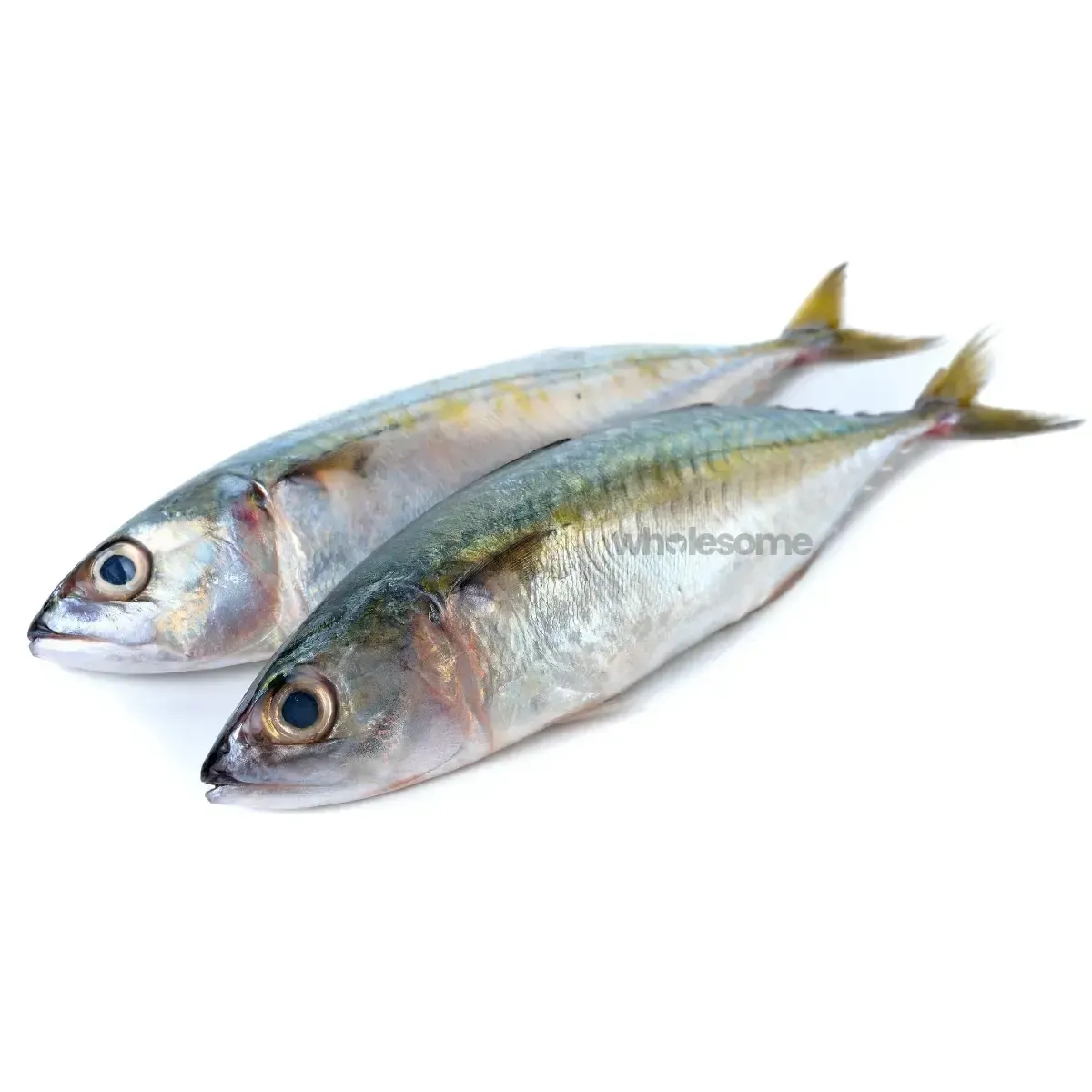
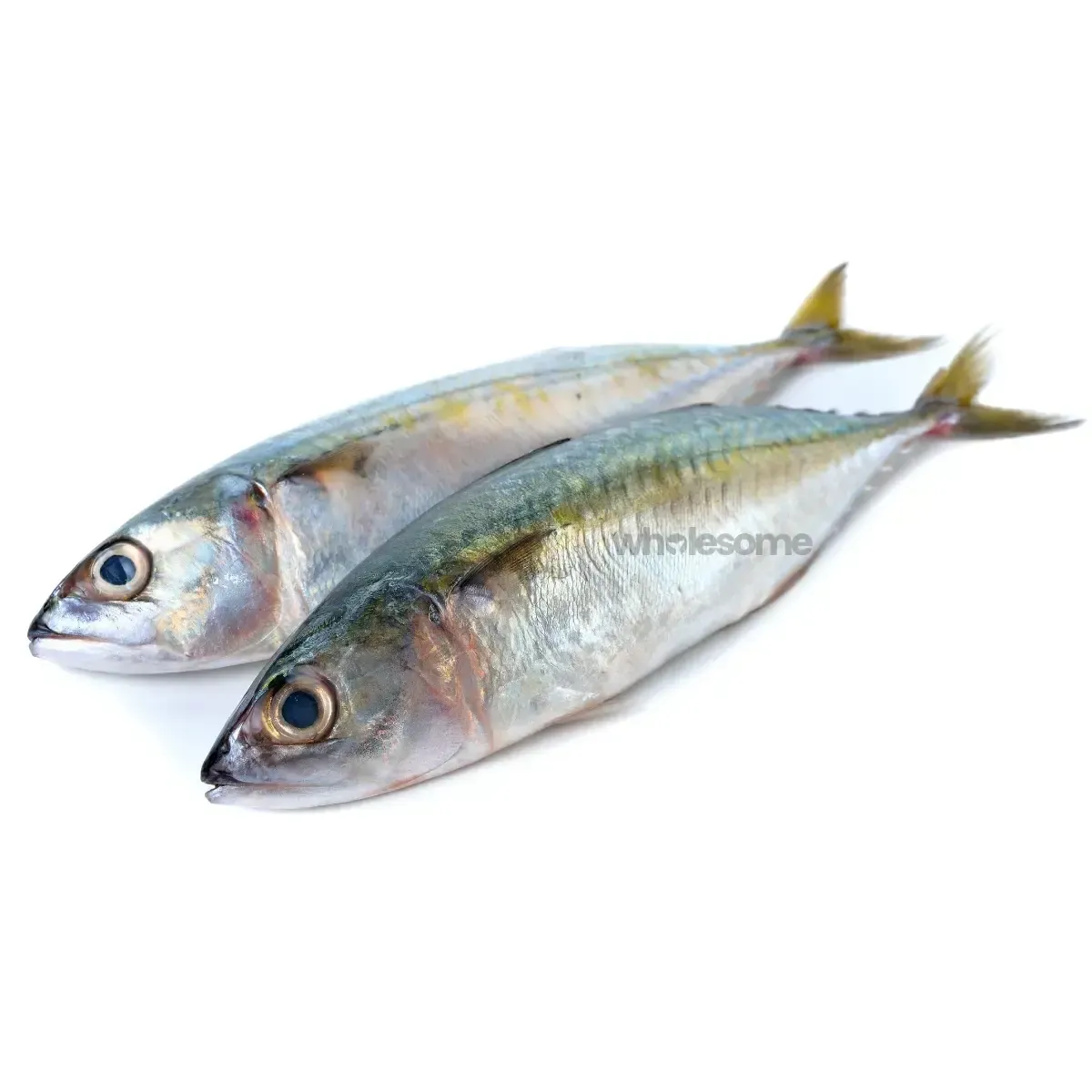
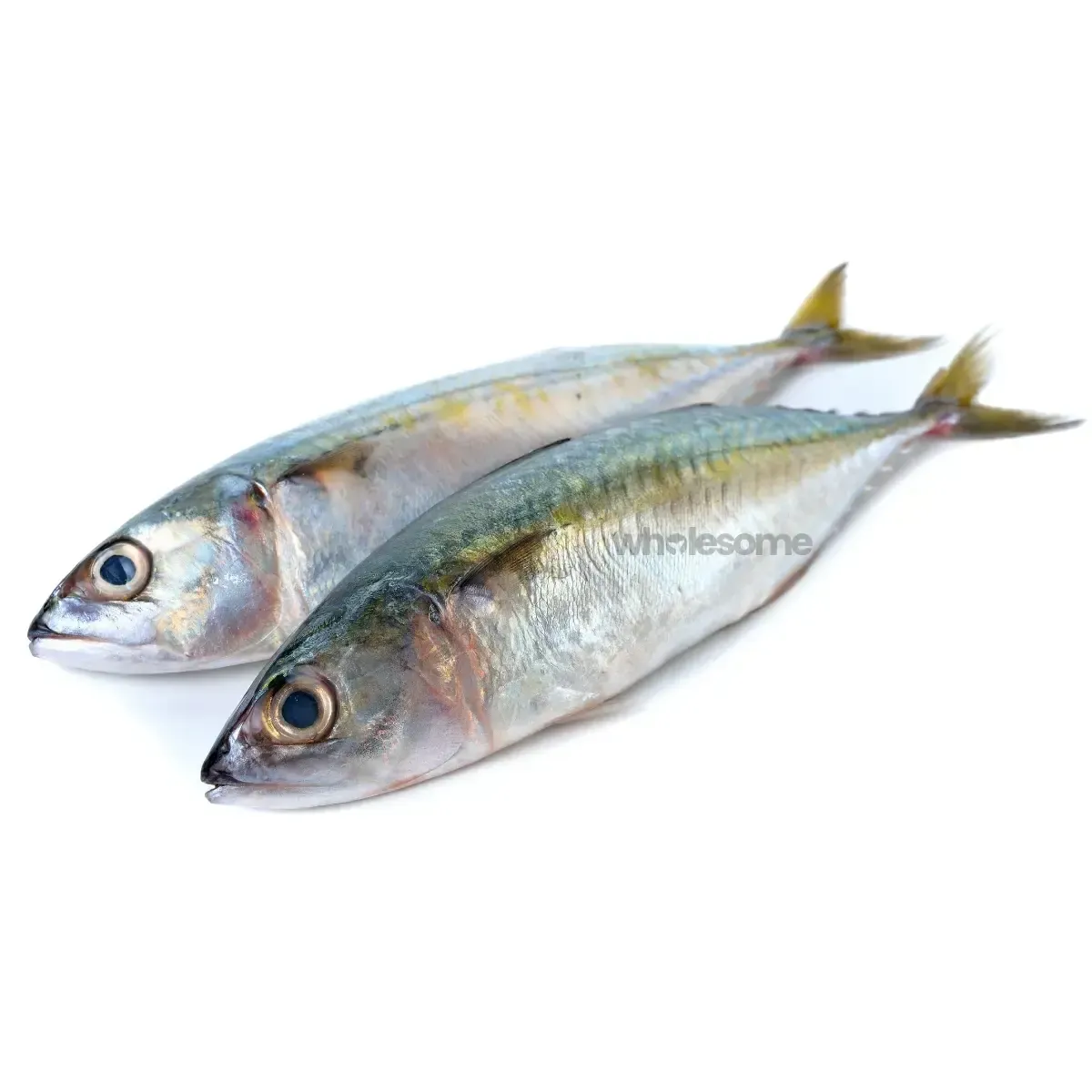
Tuna are large, fast-swimming ocean fish in the same family as mackerels (Scombridae). They travel long distances in warm and temperate seas, including the Arabian Sea. Their powerful, constantly working muscles are rich in oxygen-carrying pigment, which is why raw tuna is red rather than white.
Several tuna species are caught in our region, including longtail and yellowfin tuna. The species in a given batch varies with what is landed, so check the product page or ask FishMart if you would like to know what is in stock.
How Tuna Differs From Similar Fish
- Surmai (King Fish): also in the mackerel family, but a different, slimmer fish with paler, softer flesh, usually sold as steaks with a central bone. See Surmai (King Fish).
- Mahi Mahi: a completely different fish with pinkish-beige raw flesh that cooks to white, large flakes – milder and lighter than tuna. See the Mahi Mahi Boneless Fillet.
- Tinned tuna: the same group of fish, but already cooked and processed. Fresh loin is firmer, meatier and needs cooking at home.
Preparing Tuna at Home
- Put the tuna in the fridge as soon as it arrives. Tuna is one of the fish most sensitive to being left warm, so don't let it sit on the counter.
- When ready to cook, rinse briefly under cold water and pat dry.
- Trim the blood line – the dark strip of muscle – if you prefer a milder flavour. Trim any dry or discoloured edges too.
- Cut into even steaks or cubes so everything cooks at the same rate.
- Use a separate board and knife for raw seafood, keep it away from ready-to-eat foods, and wash everything, including your hands, with hot soapy water afterwards.
Why Temperature Matters So Much With Tuna
All seafood must be kept cold, but tuna and its relatives need extra care. If these fish are left warm, natural compounds in the flesh can change in ways that cooking does not reverse, which can make people unwell even if the fish is cooked thoroughly. The simple answer is to keep tuna chilled at every step. If cooked tuna ever tastes sharp, peppery or metallic, or causes a tingling feeling in the mouth, stop eating it and throw it away.
Fridge Storage
- Keep tuna at 0–4 °C, in the coldest part of the fridge.
- Store it in a covered container or wrapped tightly, on a plate to catch drips, on the bottom shelf.
- Placing the container over a tray of ice gives an extra margin, especially in hot weather.
- Cook within 1–2 days.
Freezing Tuna
- Cut the loin into the portions you will use – steaks or cubes – before freezing.
- Wrap each portion tightly in cling film, pressing it against the surface, then seal in a freezer bag with the air squeezed out.
- Label with the date and cut, and freeze at -18 °C or colder.
- Use within a few months for the best colour and texture. Frozen tuna may darken slightly on the surface; this is normal.
Thawing Safely
- Fridge thawing is the safest: move the pack to the fridge the night before, on a plate.
- Cold water thawing is quicker: keep the tuna in a sealed bag, submerge in cold water and change the water every 30 minutes. Cook immediately afterwards.
- Never thaw on the counter or in warm water.
- Do not refreeze thawed raw tuna. If you thaw too much, cook it and refrigerate or freeze the cooked dish.
Marinating and Cooking
Marinate tuna in the fridge, never at room temperature. Yoghurt- and oil-based marinades help keep the lean loin juicy. Add lemon or vinegar near the end, and throw away used marinade rather than pouring it over cooked food. This tuna is sold for cooking – not for sushi or other raw use – so cook it until it is opaque throughout, and take it off the heat as soon as it reaches that point. Our tuna recipes give timings for tikka, steaks and cutlets.
Leftovers
- Refrigerate cooked tuna within two hours and eat it within 1–2 days.
- Reheat until piping hot – a covered pan on low heat works well. Or skip reheating and flake cold, cooked tuna into a sandwich or salad.
- Leftover tuna is excellent mixed into cutlets or a paratha roll with onions and chutney.
Nutrition Basics
Tuna is a good source of protein and provides omega-3 fatty acids. It can be part of a varied diet, especially when grilled, baked or cooked on a tawa with a little oil rather than deep-fried. Because tuna is a large predatory fish, general guidance exists on how often to eat it, particularly for young children and during pregnancy. Follow local health advice, and if you are pregnant or have specific dietary needs, follow your doctor's advice on fish intake. Varying the fish you eat – mixing tuna with smaller or leaner fish – is a simple, sensible habit.
Conclusion
With tuna, cold is everything: chill it the moment it arrives, cook it within a day or two or freeze it in portions, thaw it in the fridge and cook it through. Follow those steps and your Tuna Boneless Fillet will cook up firm, juicy and full of flavour. Explore other ready-to-cook options in the Boneless Fish range.
Frequently asked questions
Why must tuna be kept especially cold?
If tuna and related fish are left warm, changes can occur in the flesh that cooking does not undo. Keeping it chilled at 0–4 °C from delivery to cooking avoids this.
Is it normal for frozen tuna to darken?
Slight darkening on the surface is common with frozen tuna. If it smells clean and the texture is firm after thawing, it is fine to cook.
Is tuna the same family as Surmai?
Both belong to the mackerel family, but they are different fish. Surmai is slimmer with paler, softer flesh and is usually sold as steaks on the bone; tuna is sold here as a boneless red loin.
How often can my family eat tuna?
General guidance exists for large predatory fish like tuna, especially for children and during pregnancy. Follow local health advice and your doctor's recommendations, and vary the fish you eat.