Mushka (Tigertooth Croaker): Cleaning, Storage and Species Guide
Mushka is easy to love at the table, but its soft flesh means it rewards careful handling from the moment it reaches your kitchen. A croaker kept cold and cooked promptly tastes sweet and clean; one left warm for a few hours quickly turns soft and strong-smelling. This guide covers how to clean, store, freeze and thaw Mushka (Croaker), how to marinate and handle leftovers safely, what it offers nutritionally in general terms, and how to tell it apart from other fish sold in Karachi.
What Exactly Is Mushka?
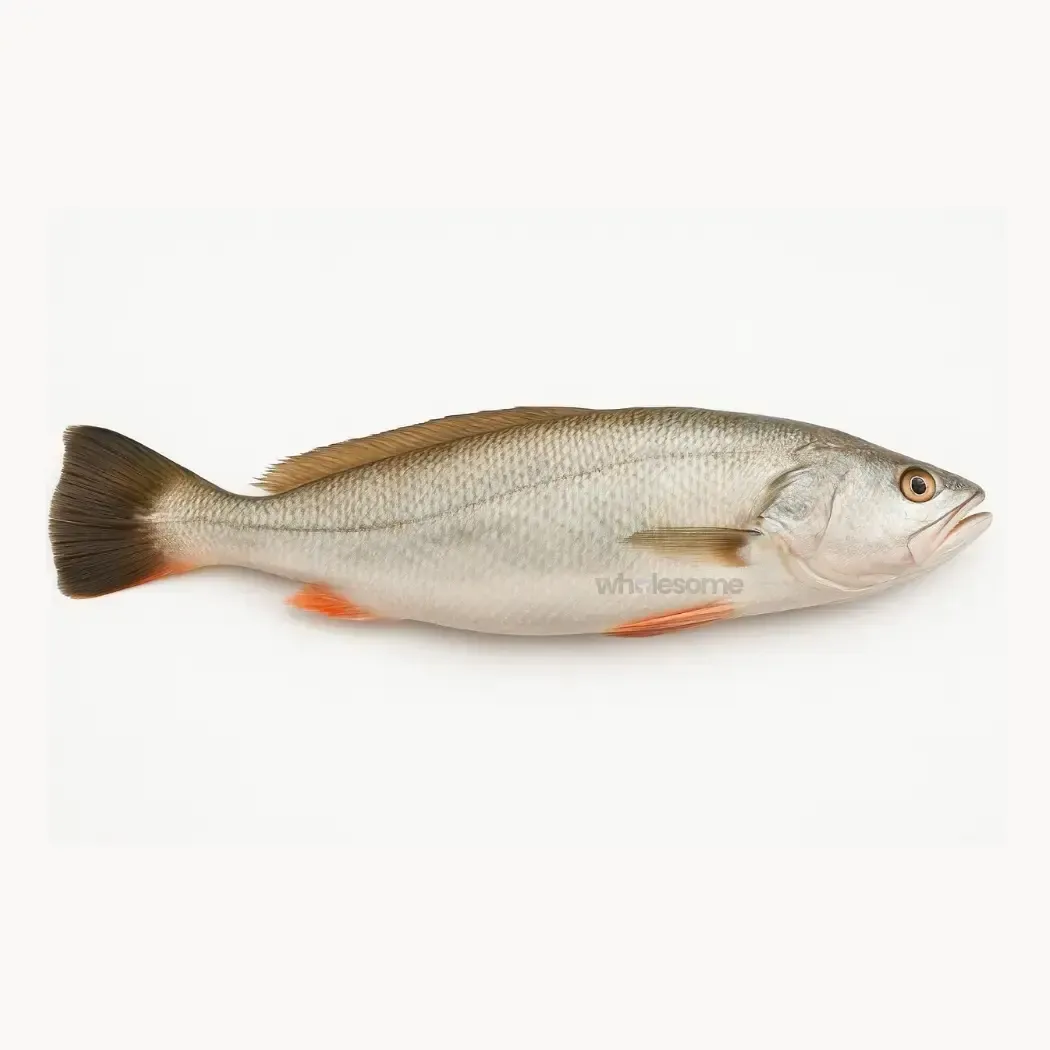
Mushka is the local name for the tigertooth croaker, Otolithes ruber. It belongs to the family Sciaenidae – the croakers and drums – a group of fish known for producing croaking or drumming sounds by vibrating muscles against the swim bladder. Croakers also have unusually large ear stones (otoliths), which is where the genus name Otolithes comes from. The tigertooth croaker lives in coastal waters of the Indo-Pacific, including the Arabian Sea off Pakistan, often over muddy and sandy bottoms.
In English it may be called tigertooth croaker, croaker or simply drum. In Karachi markets the name "Mushka" is widely used, and you may hear it grouped loosely with other croakers. Its signature feature is a pair of sharp canine-like teeth at the tip of the upper jaw.
How Mushka Differs from Look-Alikes
- Other croakers: several croaker species are landed along the coast. Many are similar in eating quality, but the tigertooth croaker is recognisable by its prominent front fangs and slim, elongated shape.
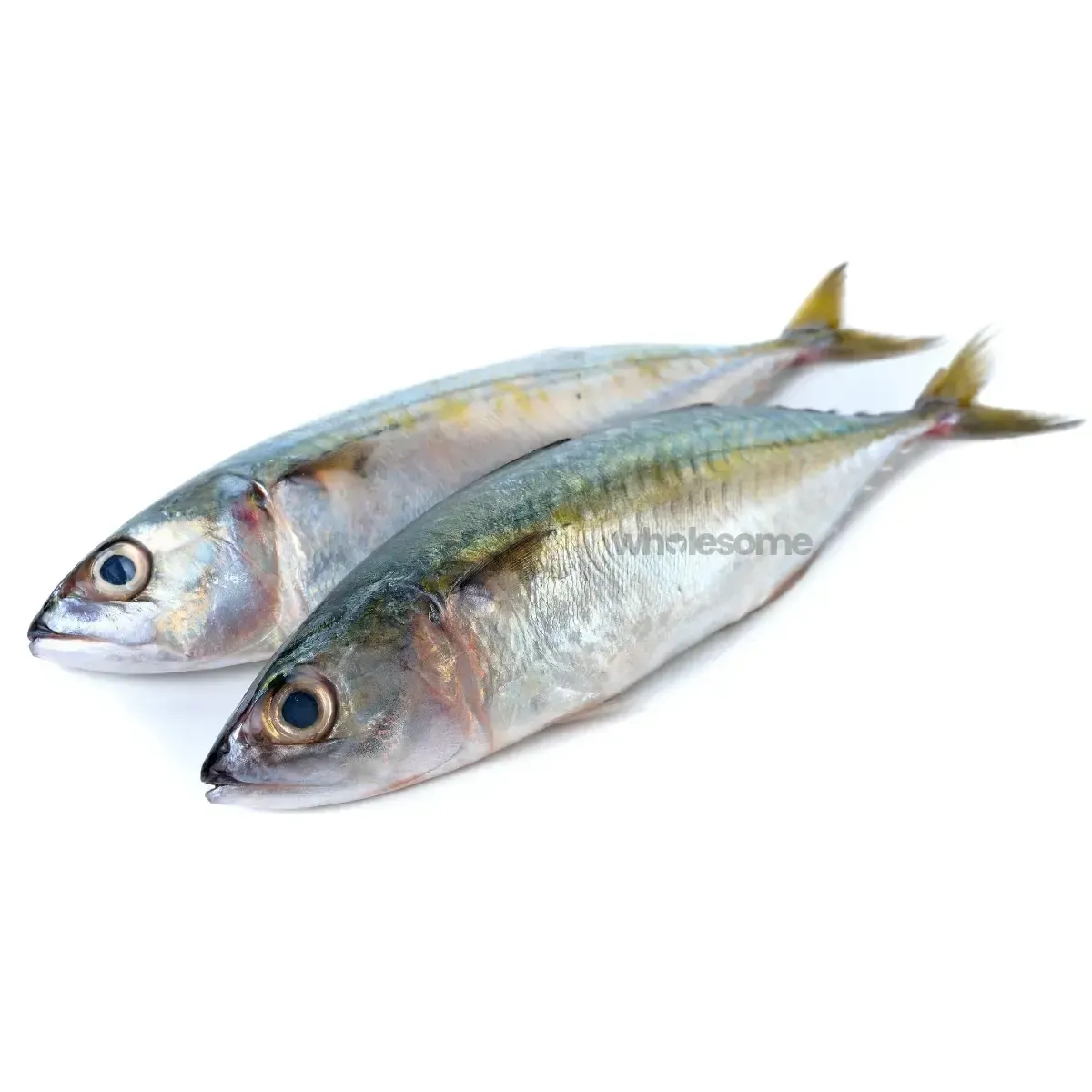
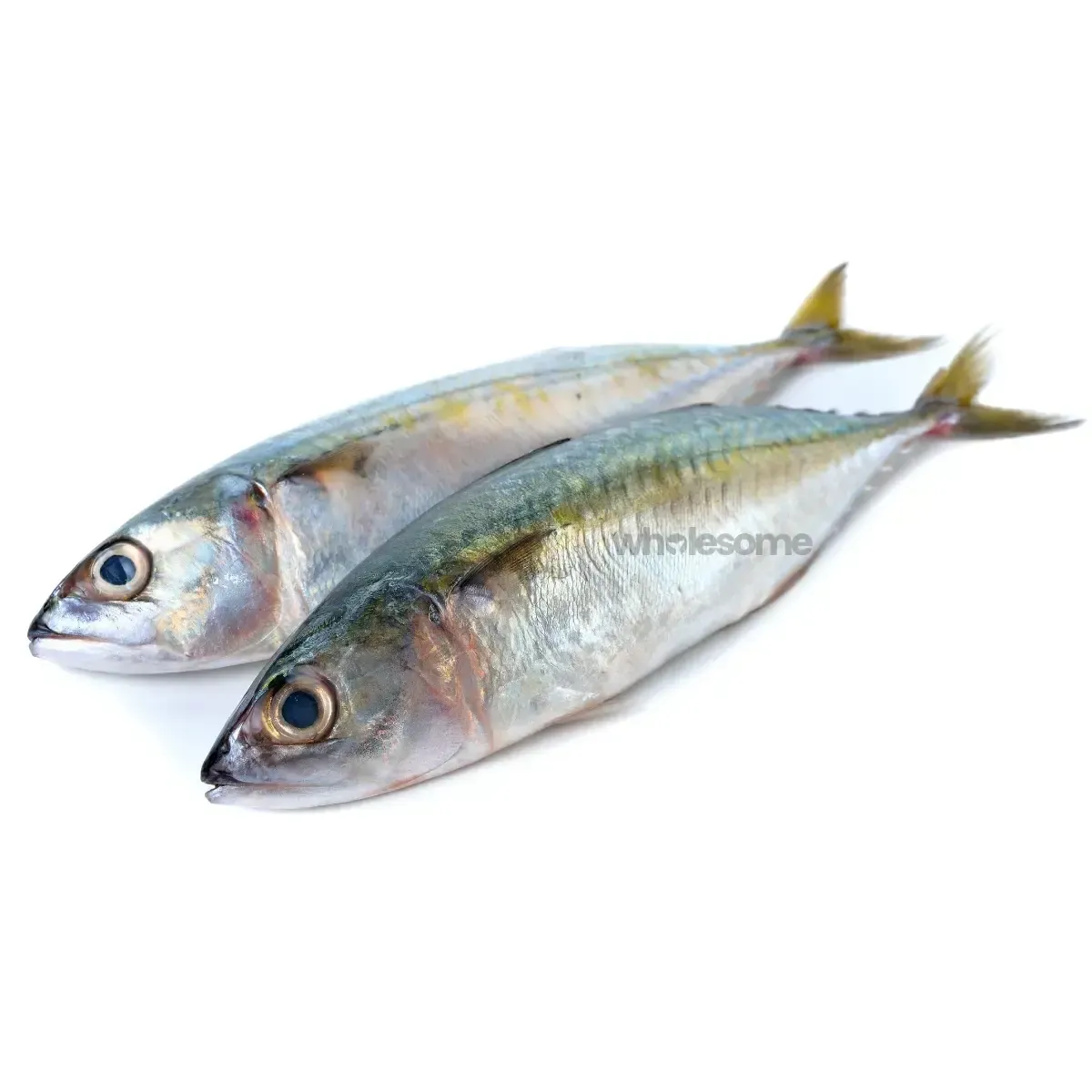
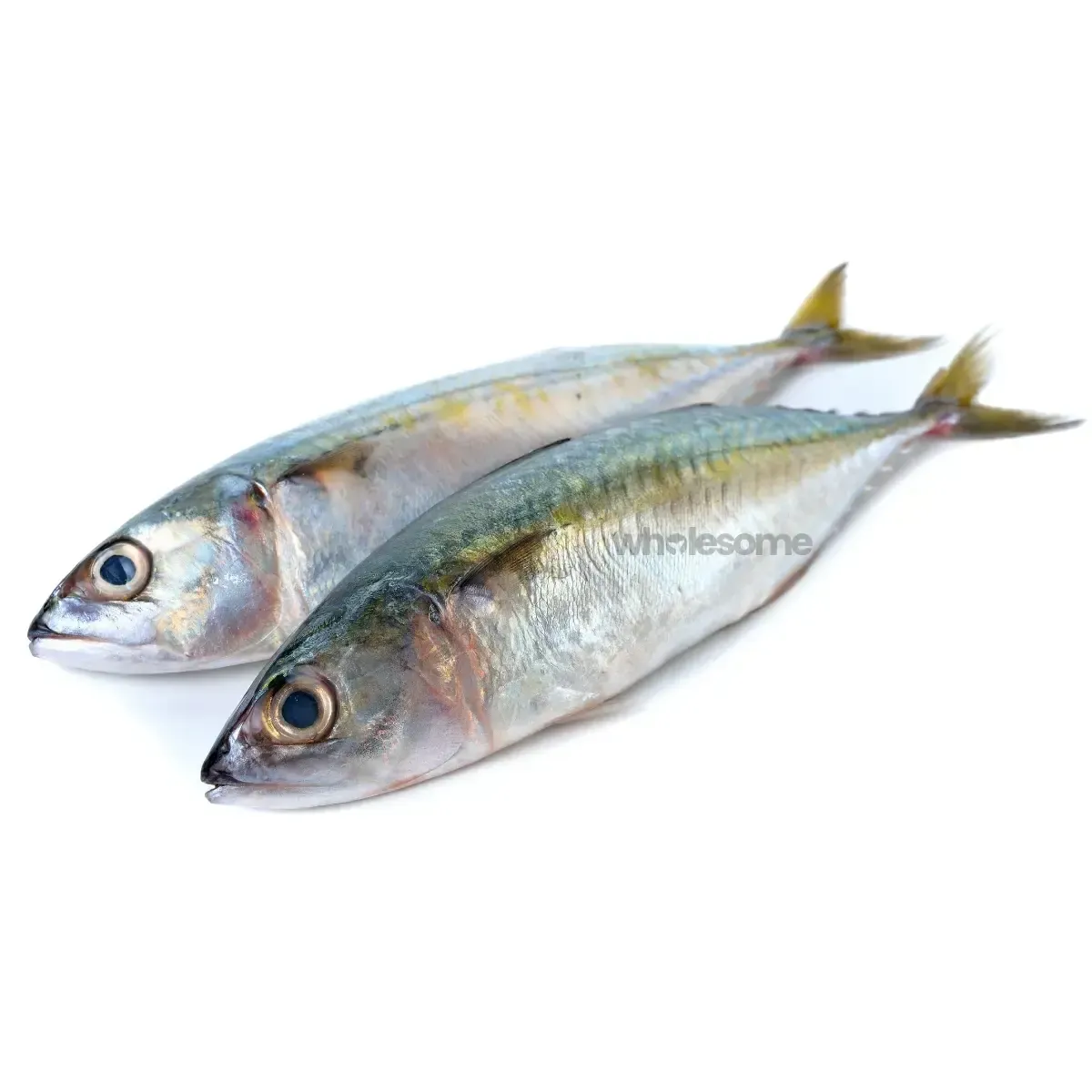
- Indian Salmon (Rawans): also silvery, but Rawans is a threadfin with an overhanging snout and long, free "threads" below the pectoral fin. Its flesh is a little richer and firmer.
- Surmai: a mackerel with a forked tail, tiny scales and firm, meaty steaks – very different in texture from soft Mushka.
- Heera (red snapper): red-pink skin and a deeper body; firmer, better suited to long-cooked karahi.
Cleaning Mushka at Home
If you buy Whole (uncleaned) fish, clean it as soon as possible:
- Set up a separate chopping board used only for raw seafood, a sharp knife and kitchen scissors.
- Scale: hold the tail and scrape from tail to head with the back of a knife or a scaler. Doing this inside a large bag or in the sink keeps scales from flying.
- Mind the teeth: the front fangs are sharp – hold the head by the gill cover rather than the mouth.
- Gut: slit the belly from the vent to just below the gills and remove the insides. Scrape out the dark lining and any blood along the backbone.
- Gills and fins: cut out the gills, which spoil fastest, and snip off sharp fins.
- Rinse briefly under cold running water. Do not soak – Mushka absorbs water and becomes even softer.
- Dry thoroughly with kitchen paper, then cut into thick slices or leave whole.
- Wash the board, knife, sink and your hands with hot soapy water.
If you would rather skip this step, choose Whole and Gutted, Slices or one of the boneless cuts when ordering.
Refrigerator Storage
- Refrigerate as soon as the fish arrives, at 0–4 °C. The coldest part of the fridge is usually the bottom shelf at the back, not the door.
- Place the fish in a covered container or a sealed bag on a plate, so juices cannot drip onto other foods.
- For extra protection, sit the container on a tray of ice and drain melted water regularly.
- Cook within 1–2 days. Because Mushka is soft-fleshed, earlier is better for texture.
Freezing Mushka
- Freeze at -18 °C or colder.
- Pat the fish dry, then wrap it in cling film and place it in a freezer bag, pressing out as much air as possible. This reduces freezer burn.
- Freeze in meal-sized portions – one bag for one salan or one batch of fry – so you never thaw more than you need.
- Label each bag with the cut and date. For best texture, use frozen Mushka within a couple of months; soft fish loses quality faster in the freezer than firm fish.
- Boneless cuts freeze best laid flat in a single layer so they thaw evenly.
Thawing Safely
Thaw frozen Mushka in the fridge, ideally overnight, on a plate to catch drips. If you are short of time, put the sealed bag in a bowl of cold water and change the water every 30 minutes, then cook straight away. Never thaw fish on the kitchen counter or in hot water – the outside warms while the centre is still frozen. Do not refreeze raw fish that has been thawed. Once thawed, pat it dry well; frozen croaker releases more liquid than fresh.
Marinating Safely
- Always marinate in the fridge, never at room temperature.
- Keep acidic marinades (lemon, vinegar, yoghurt) short – 15 to 30 minutes is plenty. Long acidic marinades start to "cook" and soften Mushka's delicate flesh.
- Do not reuse marinade that has touched raw fish unless you boil it first.
- Use a clean spoon or brush for basting cooked fish, not the one used for raw.
Cooking to a Safe Point
Cook Mushka until the flesh is opaque all the way through and flakes easily at the thickest part or at the bone. For slices in salan, check that the flesh near the backbone has turned white rather than glassy.
Leftovers
- Cool cooked fish quickly and refrigerate within two hours of cooking.
- Store in a covered container and eat within 1–2 days.
- Reheat salan gently on the stove until piping hot, without stirring hard. Fried Mushka is best reheated in an oven or air fryer to restore some crispness; a microwave makes the coating soft.
- Reheat only once, and only the portion you will eat.
- Leftover fried fish can be flaked into a quick fish wrap with onions, chutney and salad.
Nutrition in Plain Terms
Fish is a good source of protein, and lean white fish such as croaker is generally low in fat. Including fish as part of a varied, balanced diet is widely recommended. How you cook it matters too: baked, steamed or lightly pan-fried Mushka is a lighter choice than deep-fried batter, which absorbs oil. If you are pregnant or have specific dietary needs, follow your doctor's advice on fish intake.
Keep It Cold, Cook It Well
Handled with care – cleaned promptly, kept cold, thawed in the fridge and cooked until it flakes – Mushka stays sweet, tender and safe for the whole family. Looking for ideas? Try our Lahori fried fish and salan recipes, explore the /product-categories/fresh-sea-fish range, or order fresh Mushka in the cut that suits your kitchen.
Frequently asked questions
Why is it called tigertooth croaker?
Because of the sharp, fang-like teeth at the front of its upper jaw, and because croakers can make a croaking or drumming sound with their swim bladder.
Does frozen Mushka cook differently from fresh?
Thawed Mushka releases more water and is a little softer. Pat it very dry, use a thicker batter for frying and cook gently in salan.
Can I keep marinated Mushka overnight?
It is better not to with lemon, vinegar or yoghurt marinades, as they soften the flesh. Marinate in the fridge for 15–30 minutes and cook it that day.
Is it normal for Mushka to smell slightly of the sea?
Yes. A clean sea smell is normal. A sour, ammonia-like or very strong smell means the fish should not be used.