Large Prawns: Deveining, Safe Marinating and Avoiding Rubbery Results
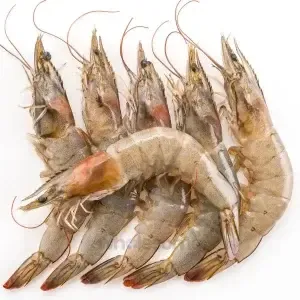
Large prawns cost you time and care, so it is frustrating when they come out tough or taste of the fridge. Most problems come down to a few things: how they were cleaned, how long they sat in a marinade, how they were stored and how long they spent on the heat. This guide explains the basics of handling Large Prawns at home, with a short look at the prawn itself.
Getting to Know the Large Prawn
The large prawns sold in Pakistan are typically penaeid prawns from the Arabian Sea. "Large" is a size grade within a catch rather than a species name, so the same type of prawn can appear as medium, large or jumbo. Striped tiger prawns are also penaeids but are sold separately; if you want that distinctive look and firm bite, see Tiger Prawns.
Basic anatomy
- Head (carapace): holds the organs and much of the flavour. It is also the first part to deteriorate.
- Tail (abdomen): the segmented, muscular part you eat.
- Vein: the dark line along the back is the digestive tract. It may contain grit.
- Tail fan: often left on for presentation and as a handle.
Why heads and shells darken
You may notice dark or black patches forming where the head joins the body. This is a natural reaction in prawn shells after harvest, similar to a cut apple browning. A little darkening is not in itself a sign of spoilage, but heavy blackening, a soft head or a bad smell all suggest the prawns are not at their best. Smell and texture are always your main guide.
Deveining Large Prawns
In large prawns, the vein is thick and easy to see, and many people find it gritty. Removing it is worthwhile.
- Peel the shell, leaving the tail on if wanted.
- With a small sharp knife, cut a shallow slit along the curved back.
- Lift out the vein with the knife tip or a toothpick.
- Rinse briefly under cold running water and pat dry.
Some large prawns also have a thin, pale line on the underside. It is harmless and does not need removing.
Butterflying
For butter garlic prawns or tempura, deepen the cut along the back until you can open the prawn like a book, without cutting through. Press it flat. Butterflied prawns cook more evenly and pick up more flavour.
Storing Large Prawns
In the fridge
- Keep at 0–4 °C, in the coldest part of the fridge, ideally in a covered container over ice.
- Cook within 1–2 days.
- If you have whole prawns and won't cook them on the first day, removing the heads before storing helps the tails keep better.
- Store raw seafood on the lowest shelf, away from cooked and ready-to-eat food.
In the freezer
- Freeze at -18 °C or below, as soon as possible after receiving.
- Headless shell-on prawns usually keep their texture best.
- Freeze in single-meal bags, pressed flat with the air removed, and labelled with the date.
- For best quality, use within a few months.
Thawing Without Losing Texture
Large prawns are thicker than medium ones, so they take longer to thaw evenly.
- Thaw overnight in the fridge in a covered bowl to catch drips.
- For a quicker thaw, keep them sealed in a bag and submerge in cold water, changing it every 30 minutes, then cook immediately.
- Don't thaw on the counter or under hot water.
- Don't refreeze prawns that were thawed raw; cook them first if you need to freeze them again.
Marinating Safely
Large prawns benefit from a marinade, but there is a limit.
- Always in the fridge. Never leave marinating seafood at room temperature.
- Acid works fast. Lemon, vinegar, tamarind and yoghurt start to "cook" and soften the surface of prawns. Around 15–30 minutes is plenty; much longer and the texture can turn mushy.
- Salt early, acid late. A pinch of salt and spices can go on earlier; add lemon closer to cooking.
- Don't reuse raw marinade as a sauce unless you boil it thoroughly first.
- Use clean utensils to serve, not the brush or spoon that touched raw prawns.
How to Avoid Rubbery Prawns
The most common complaint about prawns is toughness, and it is almost always overcooking.
- Watch the colour: cook until they turn from grey-translucent to pink-orange and opaque throughout, then stop.
- Watch the shape: a loose "C" curl is about right; a tight "O" usually means they have gone too far.
- Add late: in masala, cook the gravy first and add prawns in the last few minutes.
- Use high heat briefly: for searing, a hot pan and a short cook beats a long, gentle one.
- Let them rest off the heat: prawns keep cooking for a moment once removed.
Our large prawn recipes are timed with this in mind.
Leftovers
Refrigerate leftover prawn masala or butter garlic prawns within about two hours of cooking, in a shallow covered container, and eat within 1–2 days. Reheat gently until piping hot all the way through, adding a splash of water to masala. Fried dishes like tempura are best eaten fresh; they lose their crunch when reheated.
Nutrition in Plain Terms
Prawns are a good source of protein and are naturally low in fat. The way you cook them makes the biggest difference: steamed or seared prawns are a lighter meal than a butter-rich sauce or deep-fried batter. Shellfish allergy can be serious, so check with guests before serving. If you have any dietary concerns, follow your doctor's advice.
In Short
Devein, dry well, marinate briefly in the fridge and cook just until opaque. Do those four things and large prawns will reward you with a juicy, sweet bite every time. Find whole, headless and peeled options on the Large Prawns page and browse other grades in Prawns & Shrimp.
Frequently asked questions
Is it safe to eat the prawn vein?
Once the prawn is fully cooked, the vein is generally considered safe, but it can be gritty and unpleasant. Most cooks remove it from large prawns.
Are black spots on prawn heads a sign they are spoiled?
Not necessarily. Some darkening is a natural reaction after harvest. Judge mainly by smell and texture – an ammonia smell, sliminess or mushy flesh means don't use them.
How long can I marinate large prawns in lemon or yoghurt?
Keep it short, around 15–30 minutes in the fridge. Acidic marinades soften prawns quickly and can make them mushy if left longer.
Can I reheat leftover butter garlic prawns?
Yes, gently in a pan until hot all the way through, within 1–2 days of cooking. Expect them to be slightly firmer than when fresh.