How to Buy Tilapia: Freshness Checks, Sizes and Cuts
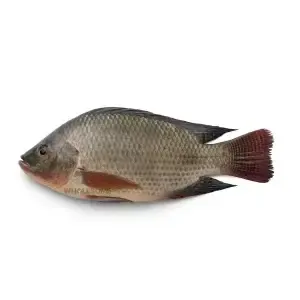
Tilapia has quietly become a regular on Pakistani dinner tables. It is farmed, mild, firm enough to fry whole and simple to eat, which makes it a good choice for families and for anyone who is still getting comfortable cooking fish. But a mild fish shows its quality plainly: a good Tilapia tastes clean and sweet, while a tired one tastes flat or earthy. This guide covers what to look for, which size and cut to choose for each dish, and how to place an online order that gets you exactly what you want.
What Tilapia Is (and Why It Matters When Buying)
The fish sold as Tilapia in Pakistan is almost always farmed Oreochromis, mainly Nile tilapia. It is a freshwater cichlid, not a sea fish, so the usual sea-fish clues – a briny ocean smell, for example – do not apply. A fresh Tilapia should smell mild and clean, a little like fresh water or cucumber. Because it is raised in ponds, the main quality issue you will meet is an earthy or muddy taste, which is linked to the water and to how the fish was handled after harvest. Good handling and quick chilling make a big difference, and that is what you are checking for at the counter or when your order arrives.
Freshness Checks for Whole Tilapia
Eyes
The eyes should be clear, glossy and slightly bulging. Cloudy, grey or sunken eyes mean the fish has been out of the water for a while or was not kept cold. This is the fastest check and usually the most reliable.
Gills
Lift the gill cover. Fresh Tilapia gills are bright red to deep pink and look moist. Brown, grey or slimy gills, or gills with a sour smell, are a clear sign to say no.
Skin and scales
The skin should be shiny with scales that sit tight against the body. A little clear slime is normal; thick, cloudy or yellowish slime is not. Patches where scales have fallen away in large numbers can indicate rough handling.
Flesh firmness
Press the thickest part of the body with a finger. It should spring back quickly. If your fingerprint stays, the flesh has started to soften. Tilapia is naturally firm, so a soft, floppy fish is a poor sign.
Smell
Smell near the belly and gills. You want a light, fresh scent. A strong ammonia, sour or heavy muddy smell means the fish will taste the same way, no matter how much masala you use.
Choosing the Right Size
Tilapia sizes vary with what the farms are harvesting, so ask for today's stock rather than expecting one fixed size. As a general rule:
- Small to medium fish are best for whole masala fry. They cook through before the outside burns and look attractive on the plate, one per person.
- Medium fish are the most versatile – good for the grill, baking or steaming whole.
- Larger fish give thicker, meatier slices for salan and tawa fry, and are worth choosing when you want neat steaks rather than a whole fish.
If you are cooking for a family of four, think in terms of either one medium fish per person for a whole fry, or roughly a kilo of slices for a salan. These are only guides; appetites and side dishes vary.
Which Cut for Which Dish
| Cut | Best for | Why |
|---|---|---|
| Whole (uncleaned) | Cooks who clean at home | You control scaling, gutting and how much belly lining is removed. |
| Whole and Gutted | Whole masala fry, BBQ, baked fish | Head-on presentation, ready to score and marinate. |
| Headless and Gutted | Baking, steaming, smaller pans | Fits a tray or steamer more easily and wastes less space. |
| Slices | Tawa fry, salan, karahi | Even pieces that cook at the same speed and absorb gravy. |
Tilapia on this product is not sold as fillets. If your recipe needs boneless pieces – fish fingers for children or a quick boneless curry – look at our Boneless Fish Fillet or Boneless Finger Fish and ask which fish is in stock that day.
Seasonality
Because Tilapia is farmed, it is not tied to a single fishing season the way many sea fish are. Supply and sizes can still shift with farm harvests, weather and demand, and winter – the traditional fish season in Pakistan – tends to bring higher demand for every kind of fish. The simplest approach is to check the product page or ask FishMart what is available rather than planning around a fixed calendar.
How to Order Tilapia Online
Ordering fish online works best when you give clear instructions. When you order Tilapia from FishMart, specify:
- The cut – whole, whole and gutted, headless and gutted, or slices.
- The dish you are planning – it helps if you mention whether it is for fry, grill or salan, so the size and slice thickness suit you.
- Quantity by people, not just weight – note how many people you are feeding, especially for whole fish.
- Any special requests – for example scoring for fry, or keeping the head for a fish head salan, where possible.
When the fish arrives, check it the same way you would at a market: eyes, gills, smell and firmness. Then refrigerate it straight away at 0–4 °C. Cook it within a day or two, or portion and freeze it. For details on cleaning and storing, read our Tilapia storage and cleaning guide.
Common Mistakes to Avoid
- Buying fish that is too large for a whole fry. A very thick fish burns outside before the centre near the bone is cooked.
- Ignoring the belly lining. Tilapia has a dark membrane inside the belly cavity. Leaving it in gives a bitter, earthy note, so scrape it out during cleaning.
- Leaving fish out of the fridge. Even an hour on a warm Karachi counter shortens its life noticeably.
- Over-marinating in acid. Long soaks in lemon or vinegar make lean Tilapia mushy. Keep acidic marinades short.
- Confusing it with other mild fish. Tilapia is not Mushka or Rohu. Each has different bones and textures; if you want the sweeter flavour of a classic river fish and do not mind fine bones, choose Rohu instead.
Bringing It Home
Good Tilapia is easy to recognise once you know the signs: bright eyes, red gills, firm flesh and a clean smell. Pick a size that suits your dish, choose the cut that saves you the most work, and tell us what you plan to cook. Browse the rest of our freshwater fish or go straight to Tilapia to check today's stock, then try one of our Tilapia recipes.
Frequently asked questions
Is a bigger Tilapia better value for frying?
Not necessarily. Very large fish are thick near the spine and harder to fry evenly. Small to medium fish usually give a better whole fry, while larger fish are better cut into slices.
What should fresh Tilapia smell like?
A light, clean freshwater smell. A strong sour, ammonia or heavy muddy smell is a sign the fish is past its best.
Can I ask for Tilapia fillets?
Tilapia on this product is offered whole, gutted, headless and gutted, or in slices. For boneless pieces, check the Boneless Fish Fillet product and ask which fish is in stock.
Is Tilapia available all year?
It is farmed, so it is less seasonal than many sea fish, but availability and sizes still vary. Check the product page or contact FishMart for today's stock.