Buying Boneless Fish Fillet: Quality Checks and Choosing a Cut
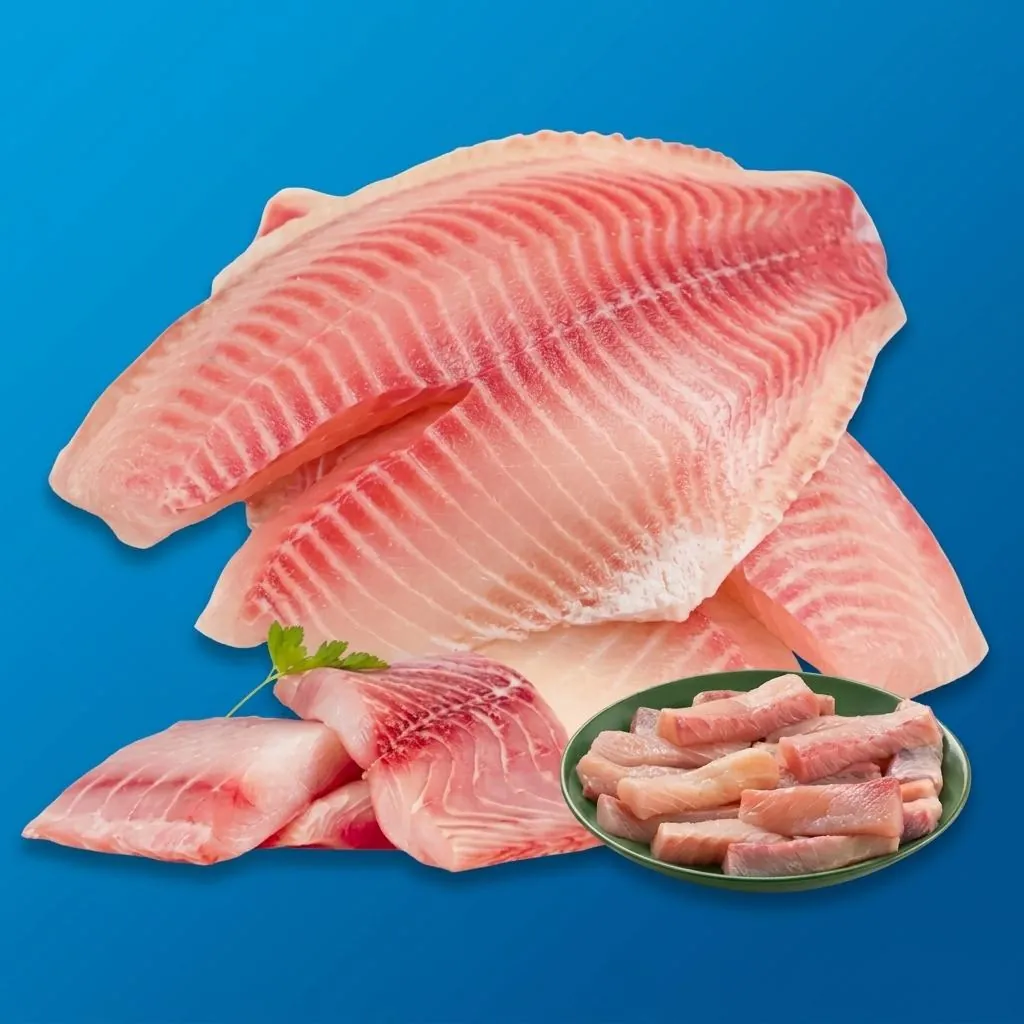
Boneless fish is the quickest route from fridge to dinner table, and for many families it is the only way children will happily eat fish. But buying fillets is different from buying a whole fish. There are no eyes to look into and no gills to lift, so you need to read the flesh itself. This guide explains how to judge a good Boneless Fish Fillet, how to pick between whole fillets, cubes and fingers, and what to ask when ordering online.
First, Understand What You Are Buying
A fillet is a boneless piece cut from the side of a fish, and ours are also skinned. The fish used for FishMart's Boneless Fish Fillet varies with availability, so the product is not tied to a single species. That is normal for boneless fish – fillets are cut from whatever suitable fish is in stock – but it means the texture and flavour can differ from one order to the next. The simple fix is to ask. Check the product page or contact FishMart and ask which fish is in stock today. If you specifically want a known species, our Boneless Fish range also includes named fillets such as Mahi Mahi and Sole.
Quality Checks for Fillets
Colour
Fresh white fish fillets look moist, glossy and even in colour. Depending on the fish, raw flesh can be pure white, slightly translucent, pale pink or faintly grey, and some fillets have a darker strip of muscle along the centre line where the skin was – that is natural. What you do not want is browning or yellowing at the edges, dull chalky patches, or dry, whitish spots that suggest the fish has dried out or suffered freezer burn.
Smell
Smell is the most honest test. A good fillet smells clean and mild, perhaps faintly of the sea. A sharp, sour, ammonia-like or heavy "fishy" smell means the fish is past its best, and cooking will not hide it.
Texture and gaping
Press a fillet gently. It should feel firm and spring back. Look along the surface: the muscle flakes should sit tightly together. "Gaping" – where the flakes separate and gaps or slits appear in the flesh – is a sign of age or rough handling, and gaped fillets tend to fall apart in the pan.
Moisture
Fillets should be moist but not sitting in a pool of cloudy liquid. A small amount of clear liquid is normal; milky, sticky or slimy liquid is not.
Frozen fillets
If fillets are frozen, they should be hard, with no large ice crystals, frost build-up or signs that they have thawed and refrozen, such as pieces fused into a solid block with ice between them.
Fillet, Biscuits or Fingers?
You can order the Boneless Fish Fillet in three ways. Choosing the right one saves cutting time and gives a better result.
| Option | Good for | Notes |
|---|---|---|
| Fillet (as is) | Lahori fried fish, pan-fry, baking, steaming | Most flexible; cut to your own size at home. |
| Boneless Biscuits (cubes) | Fish tikka, karahi, handi, pakoras, skewers | Even cubes cook at the same speed and hold up in gravy. |
| Boneless Fingers | Fish fingers, crumb fry, lunchboxes, air fryer | Ready for breading; see also our Boneless Finger Fish. |
Matching the Fish to the Dish
Because the species varies, a short conversation helps you get the best result:
- For curries and karahi, firmer fillets hold their shape better. Mention that you are making a curry.
- For Lahori fried fish and crumb fry, most mild white fillets work well; thinner pieces crisp faster.
- For grilling and tikka, thicker, firmer pieces stay juicy and do not break on skewers.
- For children, mild, soft-flaked fish in fingers is usually the most popular.
How Much to Order
With fillets you pay only for flesh – no head, bones or skin – so you need less weight than you would of whole fish. As a rough guide, around a kilo of boneless fillet suits a family of four for a main dish. For starters, snacks or a lunchbox, smaller amounts go further. These are only guidelines; adjust to your household and the rest of the menu.
How to Order Boneless Fish Online
- Ask which fish is in stock. Check the Boneless Fish Fillet product page or contact FishMart.
- Choose the cut – fillet, biscuits or fingers – based on your dish.
- Mention your recipe if you have a preference for firmer or softer fish.
- Think about portions. If you plan to freeze some, consider ordering in amounts that split easily into meal-sized packs.
- Refrigerate on arrival. Check colour, smell and texture, then put the fish straight into the fridge at 0–4 °C or freeze it.
Common Mistakes
- Assuming all boneless fish is the same. Different fish behave differently in the pan. Ask what is in stock.
- Cooking fillets as long as fish on the bone. Boneless fish cooks fast; a few minutes too long makes it dry and crumbly.
- Skipping the bone check. Fillets are sold boneless, but running a fingertip over each piece before cooking is a good habit, especially for children.
- Buying more than you can cook in two days without freezing. Freeze extra portions on the day you receive them.
- Leaving fillets wet. Wet fish steams instead of frying and batters slide off. Pat dry first.
The Takeaway
A good fillet looks moist and even, smells clean, feels firm and does not gape. Ask which fish is in stock, pick the cut that matches your recipe and refrigerate it promptly. Order your Boneless Fish Fillet and, when it arrives, try one of our boneless fish recipes.
Frequently asked questions
Why does the fish species change for this product?
Boneless fillets are cut from suitable fish that is available at the time, so the species varies. Check the product page or ask FishMart which fish is in stock before you order.
What does gaping mean in a fish fillet?
Gaping is when the muscle flakes separate and gaps appear in the flesh. It usually indicates age or rough handling, and gaped fillets tend to break apart when cooked.
Is a darker strip on the fillet a problem?
Many fish have a natural strip of darker muscle along the centre line. It is normal and safe; some cooks trim it for a milder taste.
Should I choose cubes or whole fillets for karahi?
Cubes (boneless biscuits) are the easiest choice for karahi because they cook evenly and are bite-sized. Whole fillets can also be cut at home into larger chunks.