Boneless Fish Fillets Explained: Storage, Thawing and Nutrition
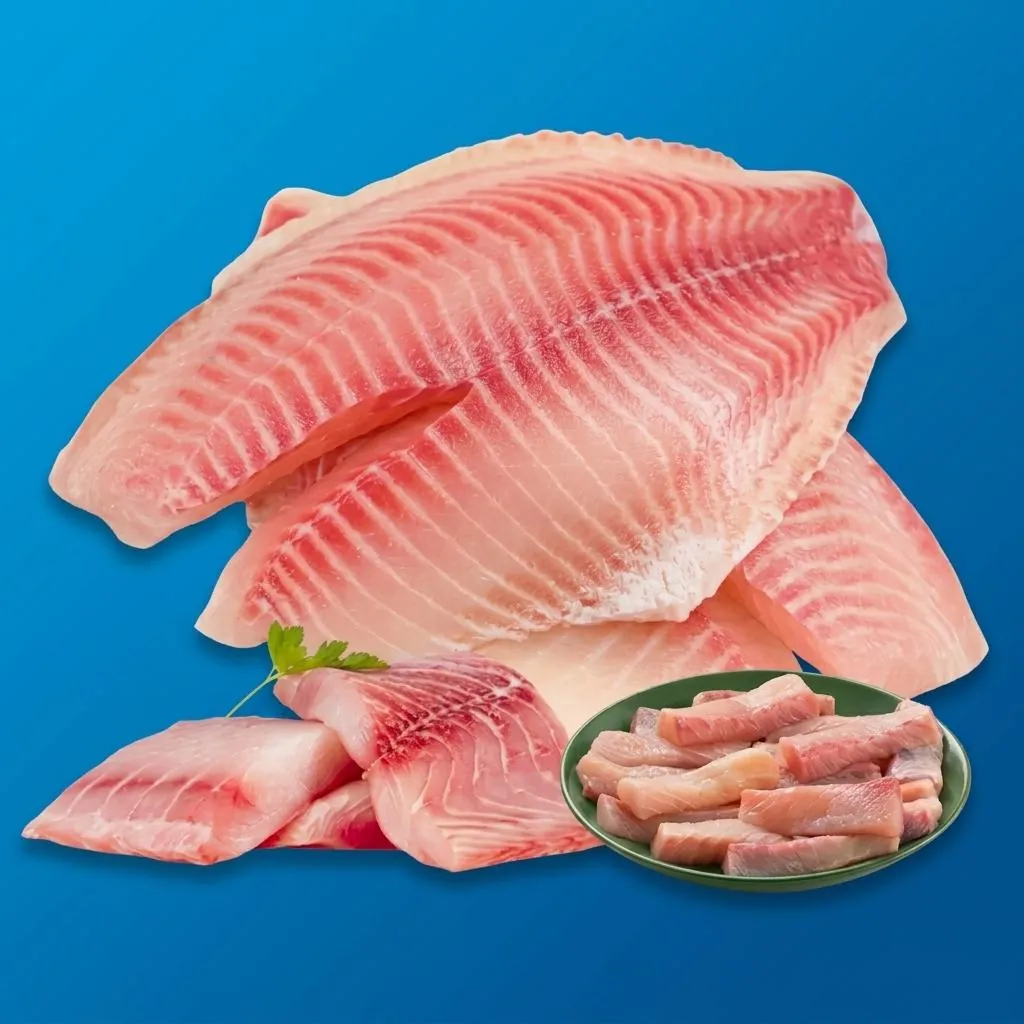
Boneless fillets are the most convenient fish you can buy, but convenience brings its own questions. Which fish is it? How long does it keep? Why did my thawed fillet turn watery? This guide explains what boneless fillets are, how they differ from other cuts, and how to store, freeze, thaw and reheat them so that every piece of your Boneless Fish Fillet cooks up moist and clean-tasting.
What Is a Boneless Fish Fillet?
A fillet is the meat cut lengthwise from either side of a fish, away from the backbone. Filleting removes the spine and most bones; the remaining pin bones are trimmed out, and in our case the skin is removed too. What you receive is pure flesh, ready to cut, marinate and cook.
Fillets versus slices
Slices (also called steaks) are cut straight across the fish, through the backbone, so each piece has a ring of skin and a bone in the middle. They hold together well in long-cooked salan and look traditional on the plate. Fillets run along the length of the fish with no bone at all. They cook faster, are easier to eat and are better for dishes such as fish fingers, tikka and Lahori fried fish, where bones get in the way.
Why the species varies
Boneless fillets can be cut from a number of mild white fish, and which fish is used depends on what is available. For that reason, FishMart does not name a single species for this product. If you want to know, check the product page or ask FishMart which fish is in stock. When you need a particular fish every time, choose one of our named options in the Boneless Fish range, such as Mahi Mahi Boneless Fillet or Tuna Boneless Fillet, which have more predictable textures.
Handling Fillets When They Arrive
- Check the fillets: clean, mild smell; moist, even colour; firm flesh with no gaping.
- Put them in the fridge straight away. Do not leave fish on the counter while you unpack the rest of your shopping.
- If cooking within a day or two, keep them in a covered container on the lowest shelf. If not, portion and freeze them that same day.
Use a separate chopping board and knife for raw fish, and wash boards, knives and hands with hot soapy water after handling. Never put cooked food back on a plate that held raw fish.
Refrigerator Storage
Keep raw fillets at 0–4 °C and use them within 1–2 days. Because fillets have more cut surface than a whole fish, they are more exposed to air and bacteria, so they are best cooked sooner rather than later. A few tips:
- Pat fillets dry and lay them on kitchen paper in a shallow covered container; standing liquid speeds spoilage.
- Place the container on a bed of ice in the fridge for extra chill on hot days.
- Keep fish away from ready-to-eat foods such as salads, chutneys and desserts.
Freezing Fillets
Freezing is ideal for boneless fish, because fillets freeze and thaw evenly.
- Portion the fillets into amounts you will use for one meal.
- Pat dry, then wrap each portion tightly in cling film. Lay pieces flat in a single layer – flat packs freeze and thaw faster and more evenly.
- Place wrapped portions in a freezer bag, press out the air and seal. Air causes freezer burn, which leaves dry, pale, leathery patches.
- Label with the date and contents (for example "fillet cubes – karahi") and freeze at -18 °C.
Frozen fish stays safe, but quality slowly declines, so plan to use it within a few months. For cubes and fingers, you can freeze pieces spread out on a tray first, then bag them, so you can take out only what you need.
Thawing Safely
The safest way to thaw is in the fridge. Place the wrapped fish on a plate or tray to catch drips; flat packs of fillet usually thaw within several hours or overnight. If you need it sooner, seal the fish in a leak-proof bag and submerge it in cold water, changing the water every 30 minutes, then cook it straight away. Do not thaw on the counter, in warm water or in the sun. Once raw fillets have thawed, do not refreeze them; cook them first.
Thawed fillets release some liquid. Discard it, then pat the fish thoroughly dry with kitchen paper before marinating or frying. This simple step makes the biggest difference to crispness and stops batter sliding off.
Marinating Without Mushiness
Boneless fillets are thinner and more exposed than fish on the bone, so they absorb marinade quickly – and break down quickly in acid.
- Marinate in the fridge, covered, in glass, steel or food-safe plastic.
- Keep lemon, vinegar, tamarind and yoghurt marinades to about 20–30 minutes. Longer and the surface turns soft and opaque before cooking.
- Salt and dry spices can go on earlier; add acidic ingredients closer to cooking time.
- Discard leftover marinade that touched raw fish, or boil it thoroughly if you want to use it as a sauce.
Cooking Until Safe and Juicy
Fish is cooked when the flesh turns from translucent to opaque all the way through and flakes easily with a fork. Boneless fillets reach this point quickly – often in just a few minutes – so check early. Overcooked fillets become dry and crumbly, while undercooked ones look glassy in the centre.
Leftovers
Cool cooked fish quickly and refrigerate within two hours. Eat leftovers within a day or two and reheat until piping hot. Fried fish keeps its crunch best when reheated in a hot oven, air fryer or dry pan. Curries and karahi reheat well on a gentle flame. Leftover plain cooked fillet can be flaked into fish cutlets, sandwiches or a quick fried rice.
Nutrition in Plain Terms
Fish is a good source of protein, and lean white fish is low in fat. Because the fish used for this product varies, its exact nutritional profile varies too; ask FishMart which fish is in stock if that matters to you. Cooking method makes a big difference: baked, steamed or grilled fillets give a lighter meal than battered and deep-fried ones. For specific dietary needs, follow your doctor's advice.
Summary
Keep fillets cold, cook within a day or two or freeze them flat in portions, thaw in the fridge, pat dry, marinate briefly and cook just until opaque. Handled this way, Boneless Fish Fillet is one of the easiest and most reliable fish meals you can make. For cooking ideas, see our boneless fish recipes.
Frequently asked questions
Why does thawed fish fillet release water?
Freezing forms ice crystals in the flesh, and some moisture escapes as it thaws. Discard the liquid and pat the fillets dry before cooking for better texture.
Do fillets spoil faster than whole fish?
Fillets have more cut surface exposed to air, so they are best cooked within 1–2 days in the fridge or frozen promptly.
How can I find out which fish my fillet is?
The species varies with stock. Check the product page or contact FishMart before ordering to ask which fish is available.
Can I freeze fish cubes so they do not stick together?
Yes. Spread the cubes out on a lined tray, freeze until firm, then transfer them to a freezer bag. You can then take out just the amount you need.